


12/03/2026
Work is currently underway on a document promoting more proportionate measures that strengthen social reintegration and incorporate a gender perspective and attention to situations of vulnerability.
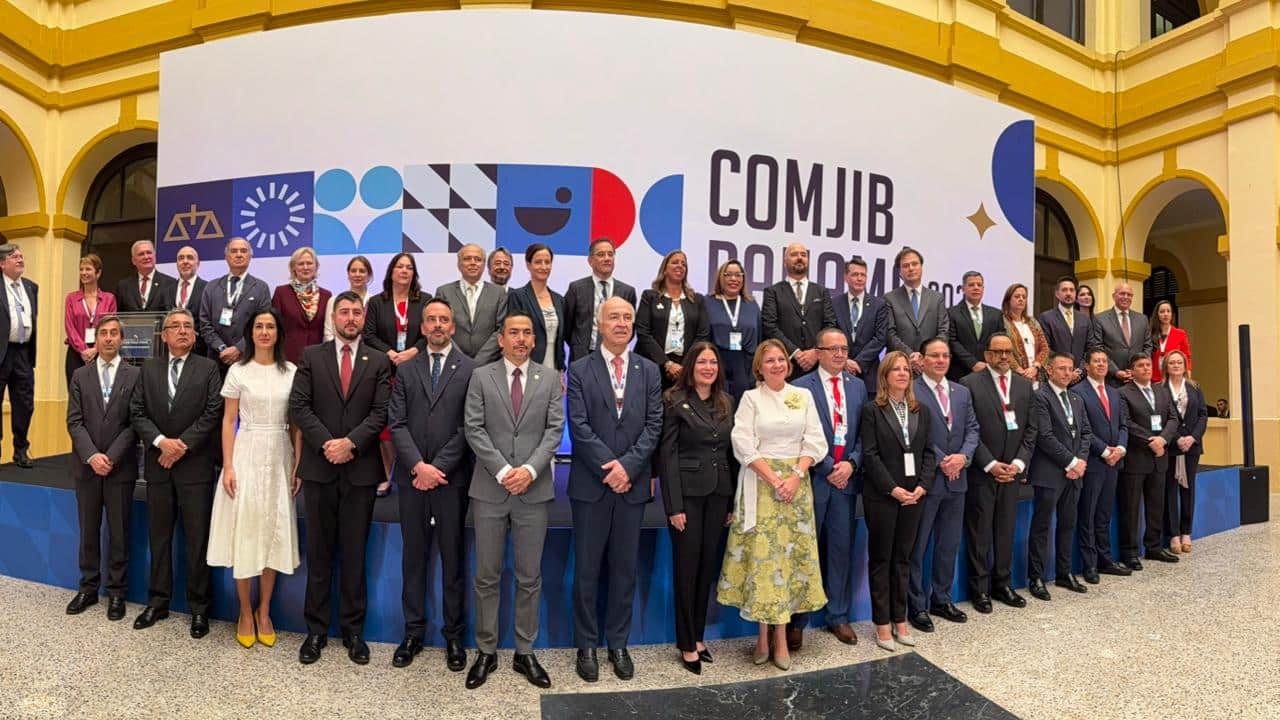
With the aim of promoting more proportionate, effective and humane justice systems, particularly in responding to minor drug-related offences, the Ibero-American Minimum Standards for the Humanization of Criminal and Penitentiary Policy have been presented and approved. This initiative was promoted by the Conference of Ministers of Justice of the Ibero-American Countries (COMJIB), with the support of the COPOLAD III programme, funded by the European Union and led by Fundación Internacional y para Iberoamérica de Administración y Políticas Públicas (FIAP).
The standards reinforce the proportionality of penalties, promote the exceptional use of deprivation of liberty, and encourage effective alternatives to imprisonment. These standards are being reflected in a document and stem from a shared regional diagnosis highlighting the persistence of disproportionate criminal responses to minor drug-related offences, often linked to the lowest levels of drug trafficking chains, as well as the widespread use of pre-trial detention and challenges related to social reintegration. Their development has been the result of a participatory regional process involving ministries of justice, judicial authorities, public defender offices and prison administrations across the Ibero-American region.
In addition, the approved document emphasizes the importance of incorporating a gender perspective and addressing situations of vulnerability in the design and implementation of criminal and penitentiary policy.
During the Assembly, it was highlighted that the adoption of these standards represents an important step toward more balanced and evidence-based criminal policies, in line with the objective of the COPOLAD programme to promote more humane, effective and people-centred drug policies.
“These standards help guide the resources of the criminal justice system more effectively, concentrating efforts on the more complex structures of drug trafficking,” said Borja Díaz Rivillas, Director of the COPOLAD programme.
COPOLAD III will continue collaborating with COMJIB and its member states in the implementation of these standards through regional training actions, national adaptation tools and pilot initiatives, initially in Panama and the Dominican Republic.