


27/02/2026
Peru is strengthening the capacities of professionals who manage health data to ensure safer management in response to the growing use of new technologies. More than 163,000 cases of health data breaches were recorded in Peru in 2024.
The digitalization of health systems in Latin America has enabled the circulation of personal data among healthcare institutions, creating new opportunities to improve care, but also increasing the risks of data leaks and cyberattacks. In this context of growing public sensitivity about privacy and stricter regulatory requirements, protecting health information has become an urgent challenge for governments.
Health data (such as medical records, diagnoses, information on disabilities, or medical test results) are considered among the most sensitive under national and international regulations. Their misuse can lead to fraud, identity theft, or blackmail, making the health sector one of the most vulnerable to security incidents.
In Peru, the scale of the problem became evident in 2024, when the National Superintendence of Health handled more than 163,000 cases related to health data breaches, while the National Authority for Personal Data Protection is investigating alleged leaks affecting key institutions within the system.
This situation highlights the urgent need to strengthen the capacities of those working in institutions to manage health data securely and in compliance with regulations. Health authorities and data controllers face increasingly complex decisions: how to legitimize data processing without consent in public health contexts, how to ensure system security, how to respond to a security breach, or how to assess the risks associated with new health technologies.
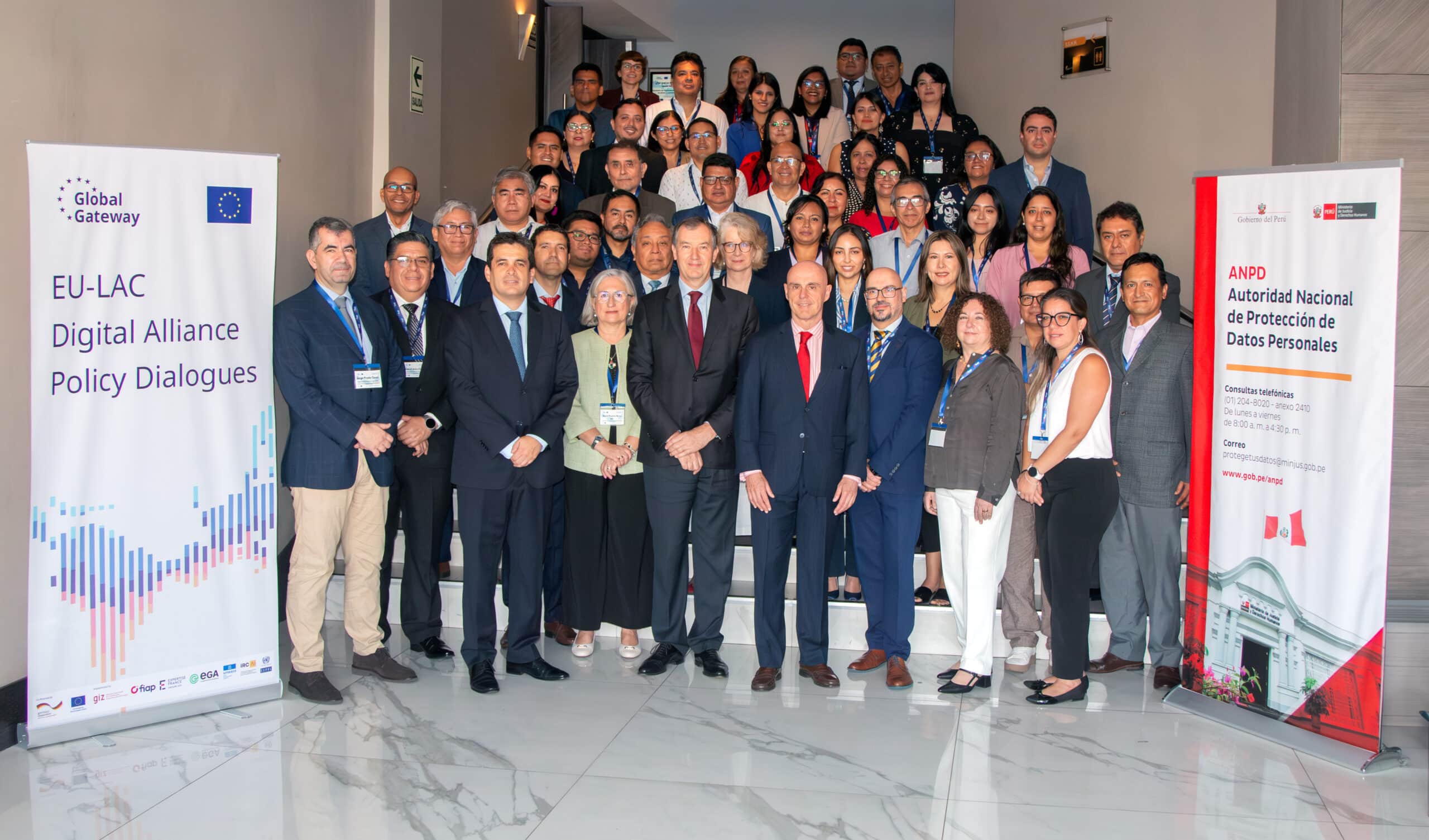
In this context, Lima hosted a series of training and exchange sessions aimed at authorities and public officials from the health sector in Peru, Ecuador, and Colombia. The goal is to strengthen institutional capacities to manage personal health data safely and responsibly in an environment marked by the expansion of electronic health records, telemedicine, and the use of new technologies.
Spain’s ambassador to Peru, Alejandro Abellán, highlighted that “an inclusive digital transformation is crucial for sustainable development and social cohesion. FIAP promotes the improvement of sustainable digital policies and regulations.”
The initiative is part of the European program EU-LAC Digital Alliance, implemented by FIAP, which promotes cooperation between the European Union and Latin America and the Caribbean on digital policies and regulations.