-
17 December 2025
Category : Reportage
Achievements of public cooperation 2025: they are yours, they are ours
We close another year full of achievements in public cooperation, in which our institutions and our public expertise have been the driving force behind the continued strengthening of public systems around the world.
Another year that confirms the value of exchanging knowledge, best practices and experiences to promote and improve public policies that enhance the lives of people and the planet.
We persevere: we begin 2026 with the firm conviction that cooperation is a key tool for moving towards a more just, secure and sustainable future with cohesive societies.
Here we highlight some of the major achievements made this year in the green agenda, digital agenda, trade, security, equality, social and territorial cohesion, participation, youth, drugs, food, work, public governance, migration, justice and the rule of law, and public expertise.
✨ View the complete infographic here.
🌿Green Agenda
-Panama: extension of the electricity grid and integration of renewable energies and storage systems into the National Interconnected System.
-Mexico: meeting between Mexican and Spanish municipalities on low-emission zones for the development of municipal reduction plans.
-Paraguay: exchange of experiences with Spain on wetland management.
-Colombia: regulatory proposal for institutional climate architecture.
-Caribbean: training on Copernicus Earth observation in the Caribbean and with the European Centre for Medium-Range Weather Forecasts (ECMWF) to improve resilience to natural disasters.
-Caribbean: organisation of the 3rd EU-Caribbean Global Gateway Conference on Sargassum, at which three countries (the Dominican Republic, Mexico and Grenada) committed to collecting and reusing 660,000 tonnes of sargassum.
📲 Digital Agenda
-Cuba: creation of the Digital Government Centre, which will lead digital government in the country, with European approaches to governance.
-Caribbean: strengthened institutional capacities on digital transformation, digital government and cybercrime.
-Costa Rica: national model of health data governance to manage health data in a secure, interoperable and ethical manner, in line with international standards.
-Horn of Africa: technical assistance and training of trainers in digital change management.
🚙 Trade
-Sierra Leone: comprehensive assessment of its readiness for the African Continental Free Trade Area (AfCFTA), with a roadmap to diversify exports, strengthen trade institutions and encourage the participation of SMEs, women and young people in intra-African trade.
-African Union: four new National Assessments of the African Mining Vision consolidated, promoting sustainable, transparent and inclusive management of the continent’s mineral resources.
-Serbia: creation of a digital platform to record intellectual property rights infringements, thus ensuring compatibility with EU standards.
-Latin America and the Caribbean: bi-regional dialogues with the EU on sustainable value chains (cocoa, soy, coffee, livestock and palm oil) to adapt to the European Union Deforestation-Free Regulation (EUDR).
🟣Equality
-Paraguay: creation of an inter-institutional committee for the prevention of violence against women in two departments.
👐🏽 Social and territorial cohesion
-Mexico: expansion of the State Fiscal Model for Social Cohesion from 24 to 31 federal entities to strengthen revenues, their formality, improve the quality of spending and transparency.
-Mexico: creation of a Diploma in Professionalisation and Training for Federal and State Labour Inspectors and three Regional Committees for decent work, formalisation and employability.
🙋🏽♀️Participation
-Angola: consolidation of provincial and municipal youth forums as spaces for dialogue and creation of a Network of Women Leaders in Local Governance.
💊 Drugs
-Cuba: creation of the National Drug Observatory for information, scientific research and early warning aimed at formulating evidence-based public policies.
-El Salvador, Colombia, Ecuador, Honduras, Dominican Republic, Paraguay and Bolivia: strategies for the treatment, management and final disposal of precursors and other chemicals to improve traceability, operational safety and responsible environmental and public health management.
-Chile: social innovation laboratory to improve care for minors in state custody with problematic drug use. Incorporation of mental health and self-care elements for therapeutic carers in residences collaborating with the protection system.
-Central Asia: response systems in five countries, with manuals and guides integrated into national drug strategies.
-Kyrgyzstan: prison reform and training for staff working with people who use psychoactive substances.
🥕 Nutrition
-Latin America and the Caribbean and Africa: presentation of specific nutrition commitments by 33 countries at the Nutrition for Growth Summit (Paris, March 2025).
👷🏽♀️ Work
-Moldova: draft amendment to national legislation that will enable the introduction and operation of the European Health Insurance Card (EHIC).
🏛️ Public governance
-Brazil: public innovation laboratories in institutions, developing innovation skills and capabilities to address complex public problems.
⚖️Justice and the rule of law
-Perú: estrategia nacional contra la ciberdelincuencia y proyecto de ley para recabar y preservar la evidencia digital.
-Bolivia: proposal for disciplinary regulations for the judiciary, aimed at transparency, accountability and the consolidation of an independent judicial career.
-Latin America and the Caribbean: design of the first model law on crimes committed with artificial intelligence.
-Latin America and the Caribbean: creation of the Diamante police network to coordinate with the EU in the fight against illicit drug trafficking and the Cibel@ network to combat cybercrime.
-Latin America and the Caribbean: guide to investigation, evidence and case law related to child sexual abuse.
-Latin America and the Caribbean: regulations on the financing of political parties with cryptocurrencies.
-Latin America and the Caribbean: establishment of the ECI Channel, so that European experts can support the creation of joint investigation teams between authorities in the two regions.
-Caribbean: regional strategic plan against cybercrime.
-Serbia: legal framework for the recovery of criminal assets in line with the EU acquis and task force against organised crime and money laundering.
-Albania: organisational reform of the courts and adaptation of regulations to EU standards.
-Middle East, North Africa, Sahel and Horn of Africa: creation of Central Authorities for international judicial cooperation and between the League of Arab States and Eurojust. Creation of the Sphinx Network of intelligence, judicial and investigative experts on counter-terrorism.
🔐 Security
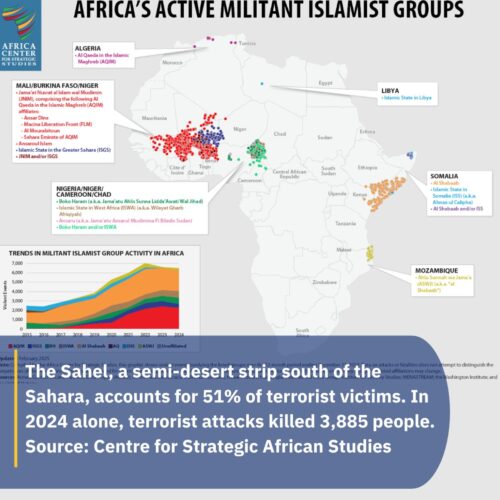
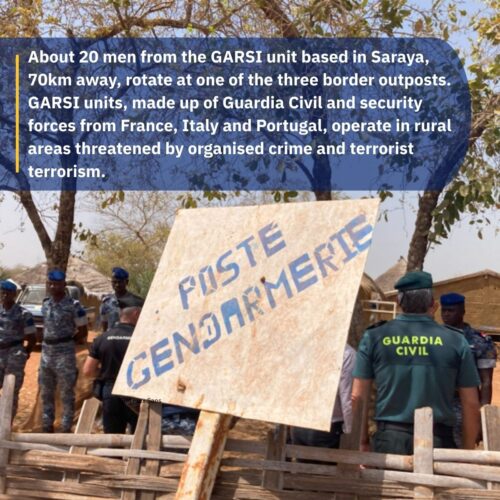
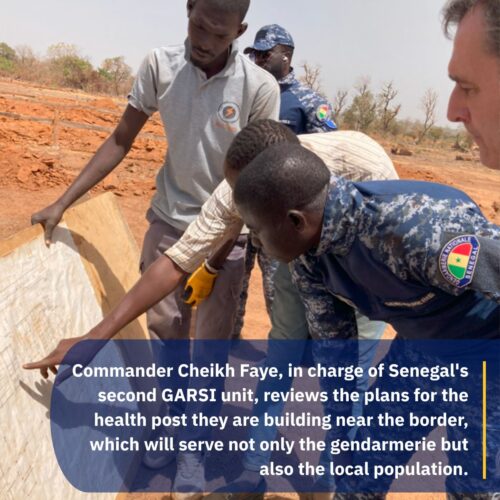
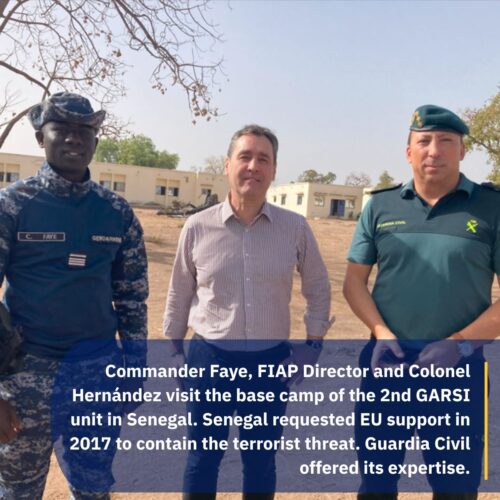
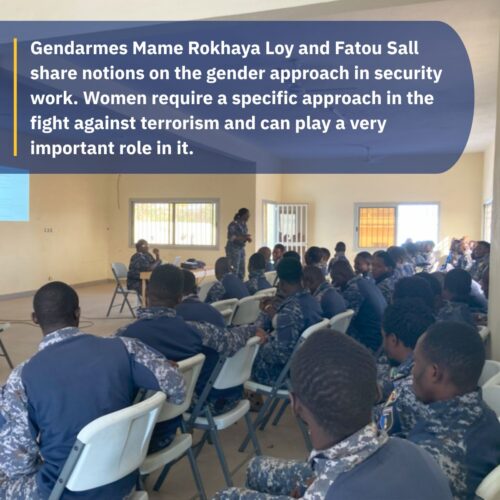
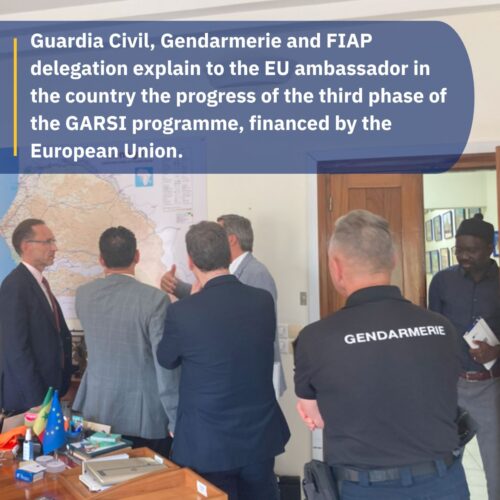
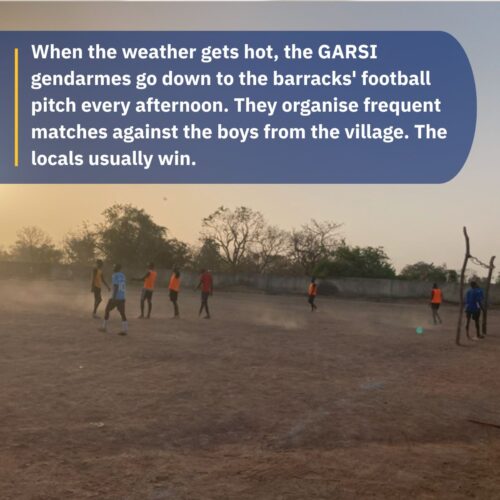
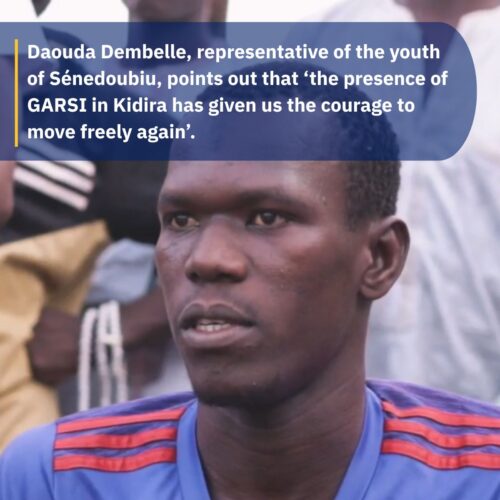
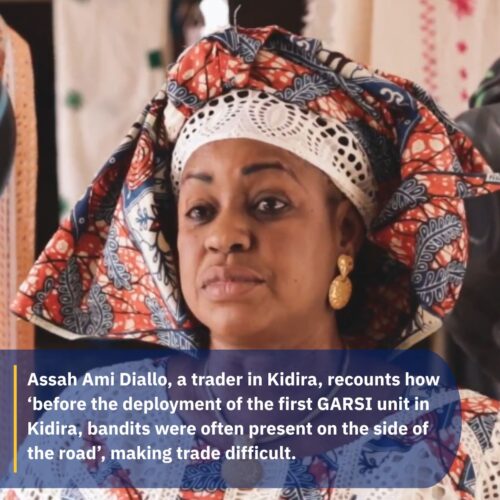
-Mauritania: restoration of security by GARSI units in border areas with Mali, reviving commercial activity.
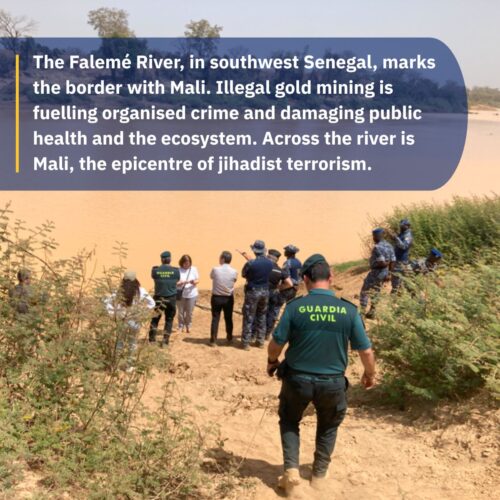
-Senegal: operations against illegal gold mining and related crimes (child labour, trafficking, environmental damage).
-Senegal: 25 operations against human trafficking networks.
-West Africa: consolidation of the Netcop system with eight active national investigation units from five countries to exchange cross-border information on human trafficking and smuggling.
-Senegal: creation of a maritime division within the National Police (DPAF) and reinforcement of the Gendarmerie’s naval component for early intervention, assistance and deterrence at critical points, reducing risks to people at sea and to deployed units.
-Africa and the Indian Ocean: regional network of focal points for national drug observatories on consumption and supply, which will lead to a regional observatory.
-Latin America, Caribbean and West Africa: intelligence-sharing platform on illicit maritime trafficking.
-Nigeria, Benin, Gambia: 199 civil society organisations are participating in defining needs to prevent electoral violence, with a special focus on the coordinated fight against disinformation and the dissemination of citizens’ political rights.
🧳 Migration
-Colombia and Ecuador: Operational Protocol for Action and Referral, with protection routes for people whose human rights have been violated or who are at risk, such as victims of cross-border crimes and vulnerable groups.
🔵 Public Expertise
-Public Expertise: 494 public sector professionals mobilised in international cooperation projects with FIAP (7% more women in the last year). This contribution to multilateralism was the focus of the annual International Public Administration Day event.
-Integrity: we have built an Internal Ethics Information System, with a revised code of ethics and a reporting channel in four languages available on our website, thereby strengthening our compliance system and our integrity as a core value.
The views and opinions expressed in this blog are the sole responsibility of the person who write them.