


14/04/2026
A report has been published documenting the recent surge in synthetic drugs, particularly Captagon and methamphetamine, along the Southern Route, which connects the Makran coast of Iran and Pakistan with the Middle East and East Africa, and in North Africa.
Over the past ten years, the spread of Captagon and methamphetamine, both illicit stimulants, has posed new challenges for the Middle East and North Africa. Regional instability, conflicts, weak state control and corruption have, taken together, created conditions conducive to the flourishing of illicit trafficking in substances such as Captagon and methamphetamine, whilst dependence, both among consumers and illicit actors, has perpetuated these realities.
The European EU ACT project, launched by FIAP in partnership with Italy (Carabinieri) and France (Civipol), has published the report ‘Production and trafficking of Captagon and methamphetamine along the Southern Route and in the North African region’, prepared by independent researcher Caroline Rose. The study was carried out with the support of the European Union Drug Agency (EUDA) and in collaboration with the Arab Interior Ministers’ Council (AIMC).
The report analyses the production, trafficking and consumption of Captagon and methamphetamine between 2020 and 2024 along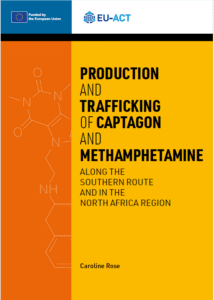 the Southern Route and in North Africa, identifies the main trends in these illicit markets, and proposes priority areas for strengthening regional cooperation, both in terms of security and public health.
Eleven countries have contributed to this strategic assessment via a detailed questionnaire: Algeria, Egypt, Iraq, Jordan, Lebanon, Libya, Morocco, Pakistan, Palestine, Tunisia and Turkey. These states are key points on emerging and established trafficking routes for amphetamine-type stimulants and provide information on production, seizures, transit routes and initial evidence of use within their territories. The report notes the recent surge in synthetic drugs, particularly Captagon and methamphetamine, along the Southern Route, which connects the Makran coast of Iran and Pakistan with the Middle East and East Africa, and in North Africa. At the same time, it highlights significant data gaps, particularly regarding prevalence of use, patterns of use and access to treatment, which limit countries’ ability to design comprehensive, evidence-based responses.
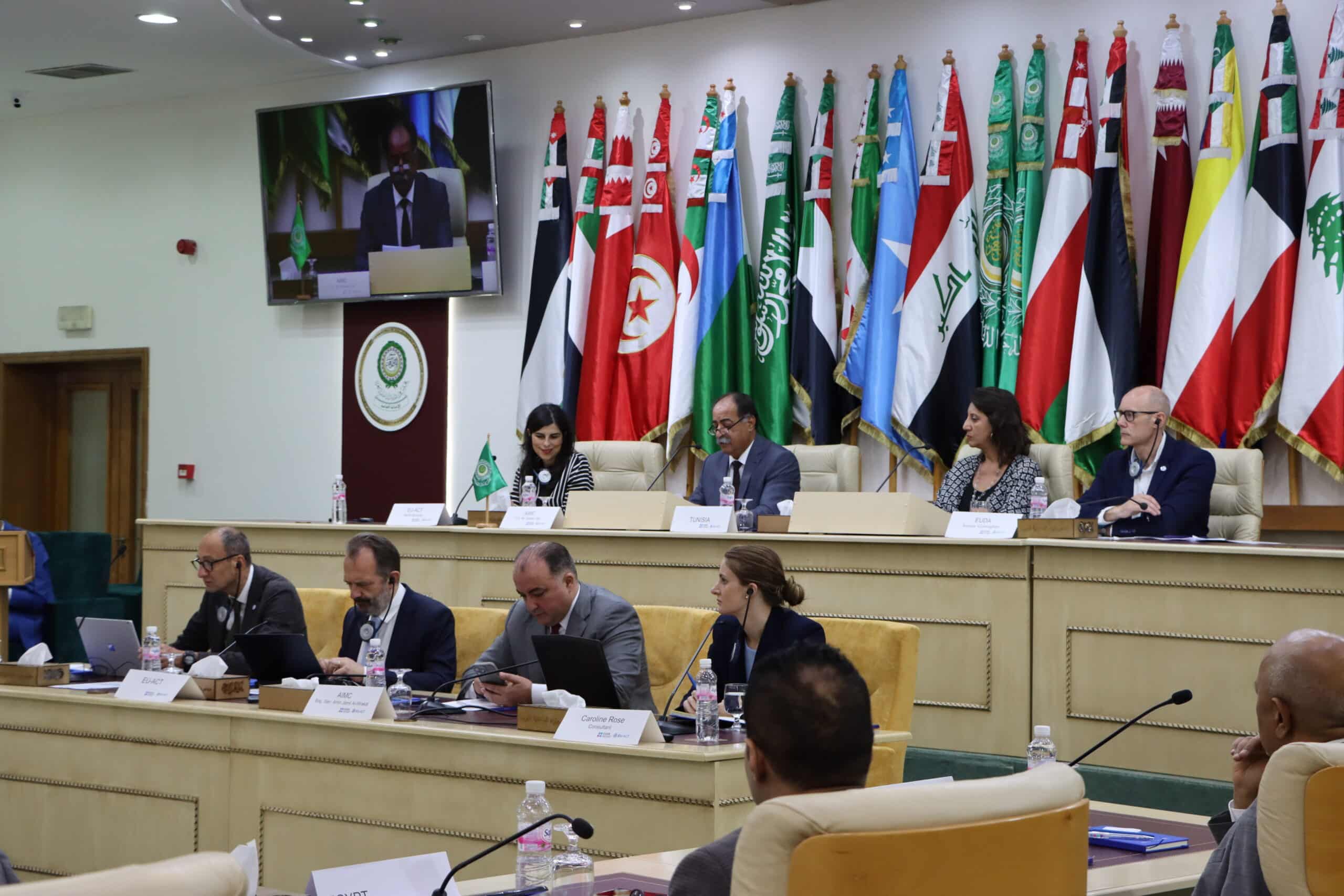
To compare the results of the questionnaire and discuss common responses, EU ACT and the EUDA organised a high-level consultation in Tunis in July 2025 with representatives from the interior ministries of the participating countries, the Council of Arab Interior Ministers and international organisations. In parallel, a specific workshop was held with civil society organisations from Iraq, Lebanon, Tunisia and other countries in the region, which contributed their expertise in harm reduction, treatment and psychosocial support for stimulant users. These consultations highlighted the need to balance interdiction policies with prevention, treatment and reintegration strategies, as well as to improve information systems on synthetic drugs.
Among its key findings, the report calls for strengthening operational cooperation and intelligence-sharing between countries in the region and the European Union; moving towards legislative frameworks that are more focused on health and harm reduction; developing secure mechanisms for the storage and destruction of seized drugs and precursors; and establishing a specific regional forum on synthetic stimulants. Furthermore, it sets out recommendations for technical training focused, amongst other things, on the use of advanced detection and risk analysis technologies at borders and ports, and on strengthening forensic capabilities for the chemical analysis and profiling of Captagon and methamphetamine, so that laboratory results are better integrated into investigations and criminal proceedings.