

19/05/2026
Angola is working with Europe to promote a strategic and sustainable blue economy that encourages the sustainable use of marine and coastal resources.
Angola has 1,650 km of coastline with highly productive marine biodiversity, enabling the fishing sector to contribute 2.7% of the Gross National Product (GNP) and 23% of non-oil exports. Furthermore, the country’s fishing industry generates 150,000 jobs.
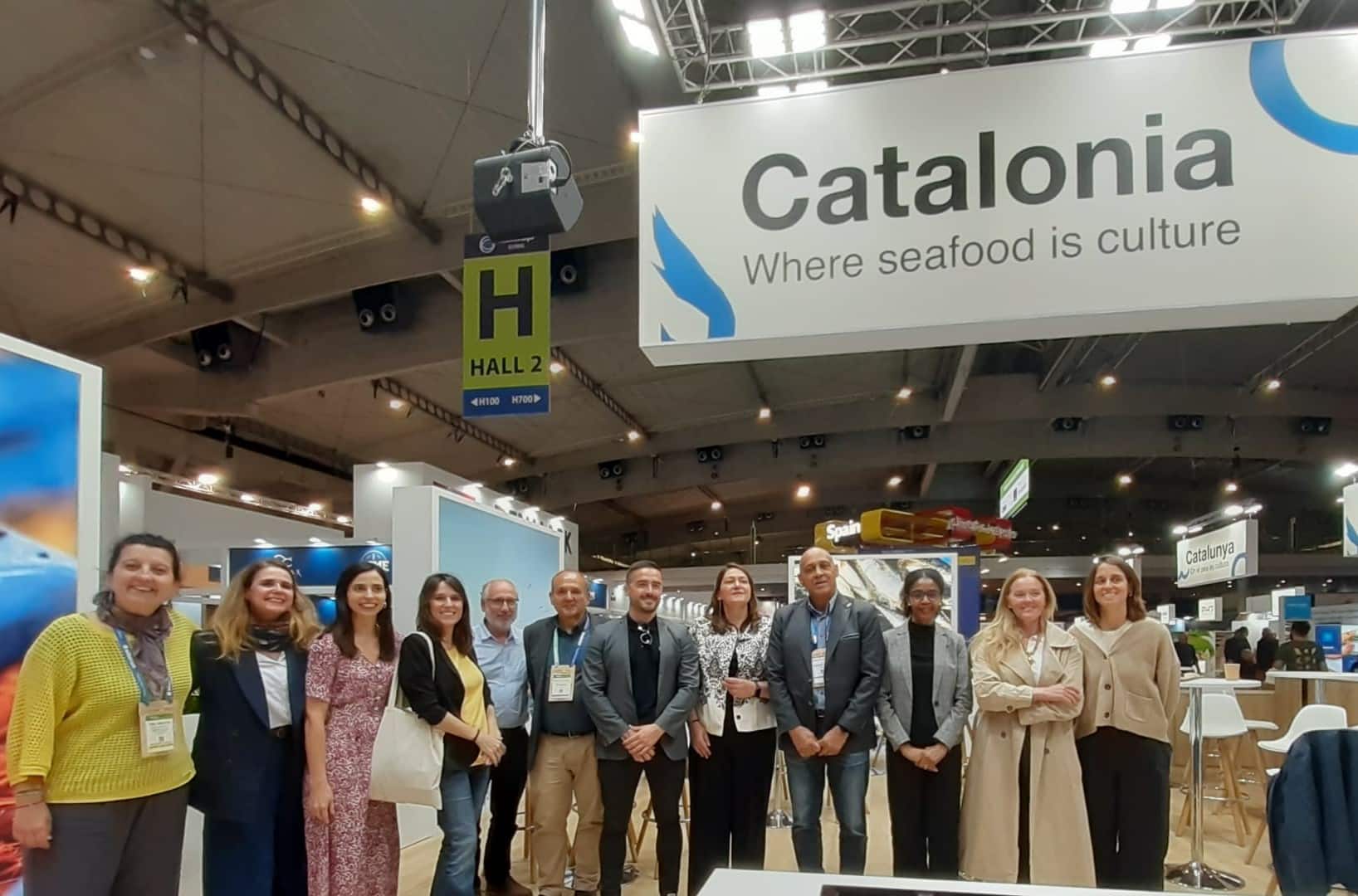
This situation has led Angola to collaborate with Spain, France and Portugal on the European Union’s Blue Economy project, which has organised a visit to ‘Seafood Expo Global 2026’, the international trade fair dedicated to seafood products and the fishing industry.
Representatives from the National Institute for the Support of Fisheries Industries and Technological Research (INAIP) and the Angolan Ministry of Fisheries and Marine Resources were able to visit this trade fair, where they had the opportunity to meet with representatives from the fishing sector.
The visit to the fair provided an opportunity to establish contacts and foster synergies and collaboration with the Government of Catalonia, the Regional Government of Andalusia, the Regional Government of Galicia, and the Basque Government, as all of them had stands at the fair and have expressed an interest in collaborating on the project.
The mission also enabled the Angolan delegation to meet with key players in the fisheries and aquaculture sector, including the Marine Stewardship Council (MSC), the Local Fisheries Action Groups (GALP), IRTA, fisheries producer organisations and companies in the sector. In addition, the delegation was able to attend presentations on maritime strategies, product development and brand promotion, as well as visit stands representing the entire value chain.
This visit provided an opportunity to share governance models, public policies and best practices in sustainability, as well as to strengthen institutional relations and explore opportunities for collaboration to boost the development of the blue economy in Angola.
The blue economy promotes the sustainable use of marine and coastal resources and contributes to climate resilience by protecting ecosystems such as mangroves, salt marshes and seagrass beds.
The aim of the project is to promote a strategic and sustainable blue economy in Angola, including the conservation and sustainable management of marine resources and coastal ecosystems in the context of climate change. Improvements to aquatic food value chains aim to generate income and green jobs, whilst enhancing inclusivity, climate resilience and sustainability, for the benefit of women and young people in particular, as well as vulnerable populations suffering from food and nutritional insecurity and disaster-prone communities.