



05/02/2026
Costa Rica avanza en ciberseguridad con formación especializada en su primer laboratorio ciberforense y de gestión proactiva de amenazas.
Costa Rica faces an increasingly complex cyber threat landscape, characterized by a rise in intrusion attempts, exploitation of vulnerabilities in critical infrastructure, targeted attacks against the public and private sectors, and gaps in national preparedness.
In response to this situation, a European project on digital security in Costa Rica is currently being carried out in the country. Implemented by FIAP in close cooperation with the Ministry of Science, Innovation, Technology and Telecommunications (MICITT), the project aims to strengthen national capacities to prevent, detect, investigate, and respond to cyber incidents and cybercrime, as well as to enhance institutional resilience and coordination in the face of digital threats.
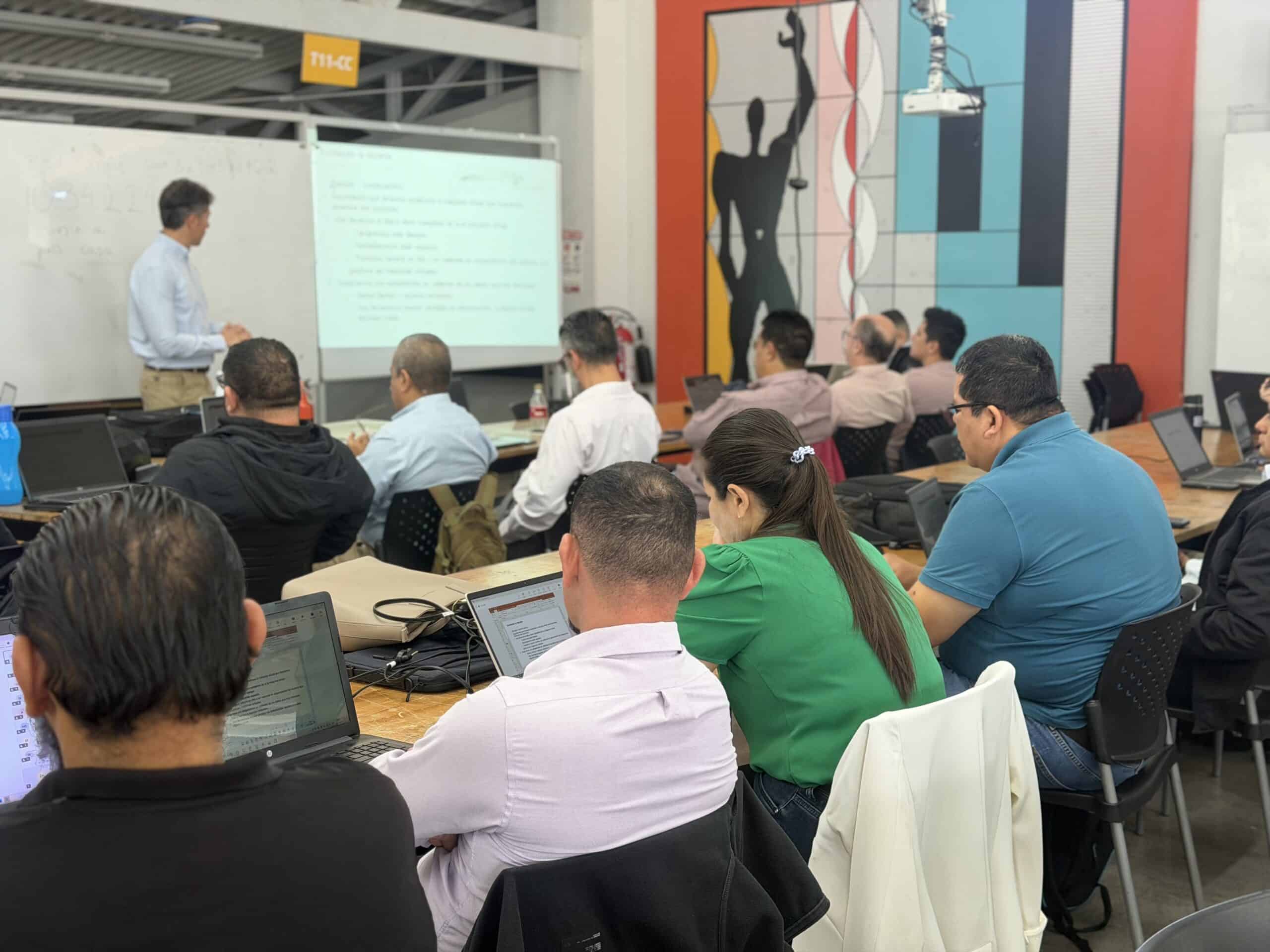
The Costa Rican capital, San José, has hosted specialized technical training linked to the implementation of Costa Rica’s first cyberforensic and proactive threat management laboratory. These activities have brought together professionals from MICITT, the National Intelligence and Security Directorate (DIS), and the Judicial Investigation Agency (OIJ).
The training sessions on cyber surveillance and forensic analysis were delivered by professionals from Spain’s National Cryptologic Center (CCN), who provided a practical approach and a comprehensive understanding of the digital environment.
The cyberforensic laboratory will enable advanced analysis of digital evidence, conduct initial incident triage, and support judicial investigations through state-of-the-art tools for malware analysis, cryptocurrencies, social networks, and mobile devices. It will also facilitate monitoring of the deep and dark web, contributing directly to national security.
In parallel, the project includes the development of a proactive threat management laboratory focused on the early detection of malicious activities through the analysis of indicators of compromise, technical collection of threat intelligence sources, and the establishment of a secure information-sharing network among key institutions such as MICITT, DIS, and OIJ. This network will strengthen the country’s ability to share critical data in real time, improving coordination and response to cyberattacks.
These training activities mark a milestone in the laboratory’s operational continuity and represent a step forward in strengthening the country’s cybersecurity, digital forensic capabilities, and institutional resilience.