


03/07/2026
The programme aims to contribute to the transformation of the transport system towards a sustainable, inclusive and user-centred model.
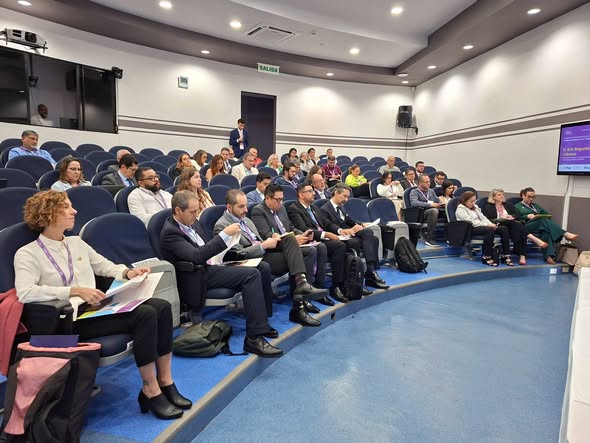
The Public Services Regulatory Authority (ARESEP) is promoting the analysis of inclusive fares in public transport, with the support of the European Union Delegation in Costa Rica and the Inclusive Societies Programme.
Inclusive fares help to bridge gaps in access to, use of and safety on public transport for women, young people and the most vulnerable groups due to their socio-economic situation.
The programme for the event included the presentation of an assessment carried out on vulnerable groups, which provided an opportunity to reflect on the importance of fare systems as models for inclusion and for reducing inequality gaps, whilst considering innovative sources of subsidies.
International experiences where a progressive fare system has been implemented have also been analysed: Santiago de Chile, Santo Domingo in the Dominican Republic and Montevideo in Uruguay. This has made it possible to present management models that highlight practices which work and those which should be avoided.
ARESEP’s Regulator, Eric Bogantes Cabezas, has pointed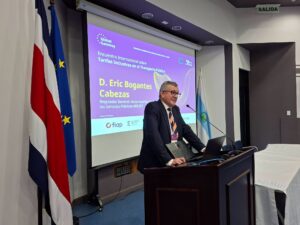 out that “the debate on progressive fares and subsidies for mass public transport has been delayed for far too long in Costa Rica, with negative consequences; hence the importance of initiating technical analyses and examining best practices so that the country can make progress in this area with the support of the European Union, ensuring that these services are more affordable for vulnerable groups”.
In this way, Aresep reaffirms its commitment to promoting initiatives of this kind, which enable an approach that integrates connectivity, social development, gender equality and governance into the provision of public transport services, thereby also contributing to their modernisation, integration and strengthening.
The programme, funded by the European Union and led by FIAP,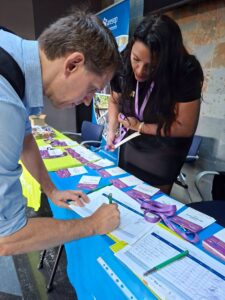 aims to contribute to the transformation of the transport system towards a sustainable, inclusive and user-centred model, whilst strengthening social cohesion, territorial equity and institutional capacities.