



07/10/2026
The Metrorrey delegation has toured the tram lines and visited the facilities of Metrotenerife, Titsa and the Teide Cable Car.
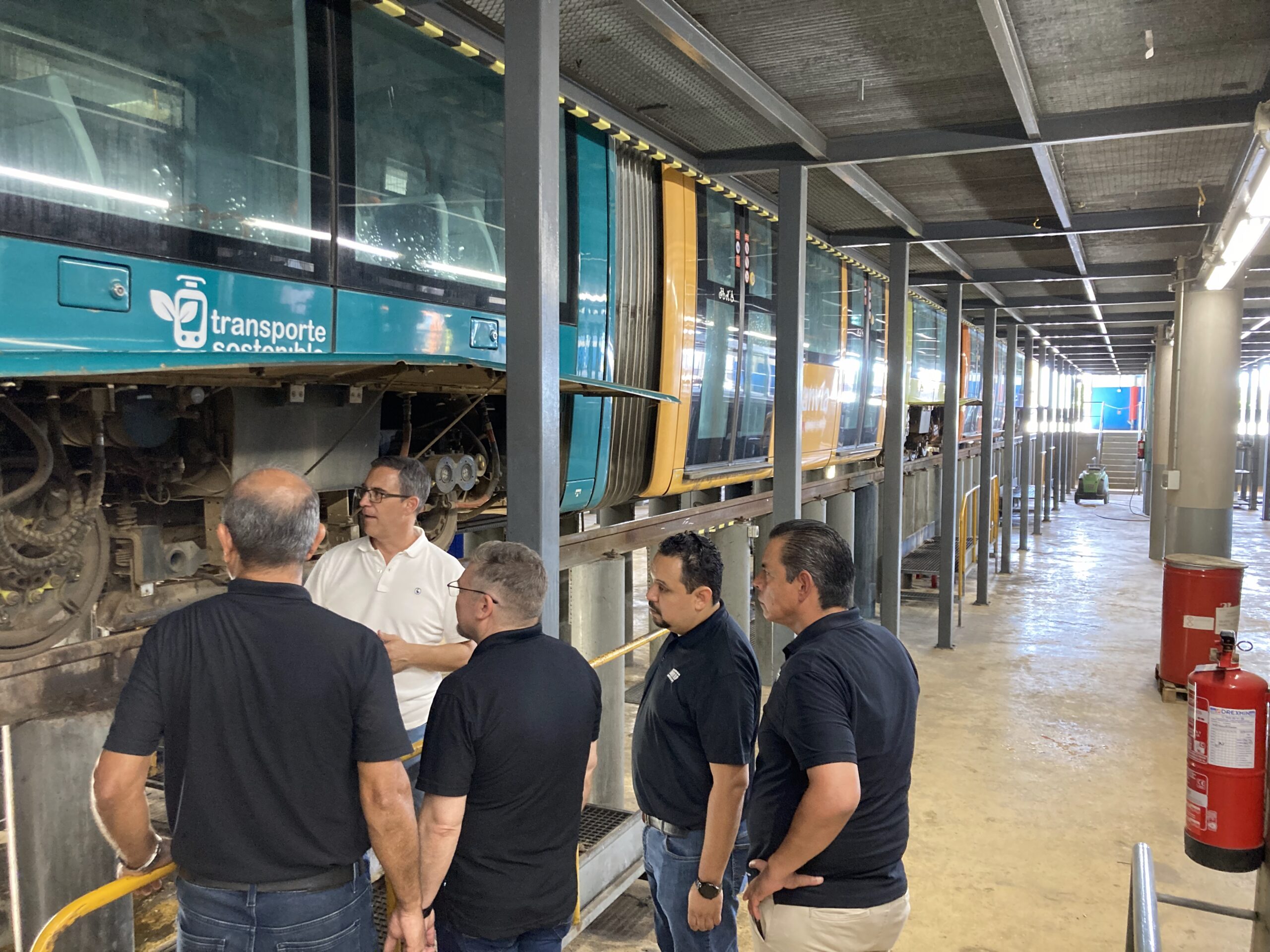
Metrotenerife has welcomed a delegation from Metrorrey (Mexico) to showcase the island’s tram operation and maintenance model. The visit forms part of the technical assistance for the Monterrey metro awarded to the Tenerife-based company, as part of the Global Green Challenges project, funded by the European Union.
At the end of last year, Metrotenerife, together with Leedeo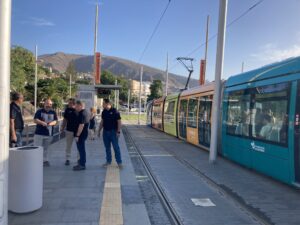 Engineering, was awarded the contract to implement the RAMS methodology to assess the reliability, availability, maintainability and safety of Metrorrey’s Line 1.
For this reason, a team from Metrorrey – comprising managers from the telecommunications, rolling stock, and electronic and fixed installations departments – has travelled to the island on a three-day fact-finding mission organised by the FIAP.
The working agenda focused on Metrotenerife’s facilities and operational experience. During the tour of Line 1, technical visits were made to the Conservatorio stop to explain its layout, which features an 8.5 per cent gradient, and to the Taco stop, which has a curved alignment with an extreme radius (26 metres).
Subsequently, at the depot, they examined the preventive and corrective maintenance plans for the rolling stock, the inspection routines for critical components and depot operations.
Metrotenerife also explained how the Remov-in system works – the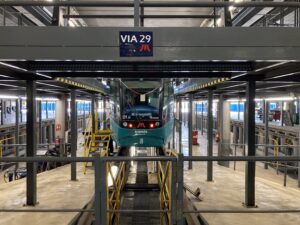 innovative removable track insulation jacket, designed and patented by the company itself, which helps to reduce vibrations whilst improving electrical insulation and making it easier to replace on the track bed.
The tour concluded in La Laguna, where municipal technicians shared their experiences regarding traffic restrictions in the historic centre of the city, a World Heritage Site.
The programme of activities also included a tour of the Santa Cruz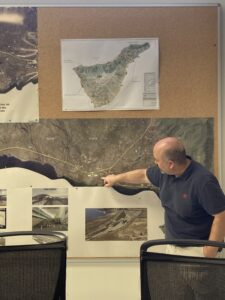 de Tenerife Transport Interchange and the offices and central depots of Titsa (Transportes Interurbanos de Tenerife), the island’s bus operator; participants were also able to obtain first-hand information from Santa Cruz de Tenerife’s municipal technical staff regarding the progress made in implementing the Low Emission Zone within the municipality.
Finally, a visit was made to the cable car facilities and Teide National Park, with the aim of learning about the sustainable mobility measures currently being implemented and those planned for both the cable car facilities and the surrounding area of the National Park.