

27/04/2026
More than 80 professionals are taking part in training activities and technical visits aimed at improving environmental control.
Strengthening environmental inspection is an essential element to ensure the effective enforcement of legislation, enhance environmental protection, and move towards more robust and efficient governance.
In this context, the Twinning “Strengthening the capacities for enforcement of the environmental legislation”, implemented by FIAP/Spanish Cooperation and Greece, has delivered a new training programme in North Macedonia to further reinforce the country’s institutional capacities in environmental inspection, in line with European Union legislation and practices.
The mission includes training sessions, specialised workshops, and technical visits to industrial facilities in Skopje, Dojran, Ohrid, and Kumanovo, with the aim of training more than 80 individuals involved in environmental inspection at both national and local levels.
The activity has brought together experts from Spain and Greece, along with representatives from the State Environmental Inspectorate of North Macedonia and other relevant stakeholders, with the objective of consolidating common tools, working methodologies, and technical criteria for a more effective implementation of environmental legislation.
During two weeks, the team has worked on the design and delivery of training sessions addressed to environmental inspectors and other stakeholders, covering key issues for improving the environmental control and compliance system.
Among the topics addressed were an overview of the environmental legal framework and the objectives of the Twinning project, strengthening inspection systems through standardised tools, as well as environmental inspection of IPPC installations (categories A and B), waste management, nature protection, and the control of different environmental media.
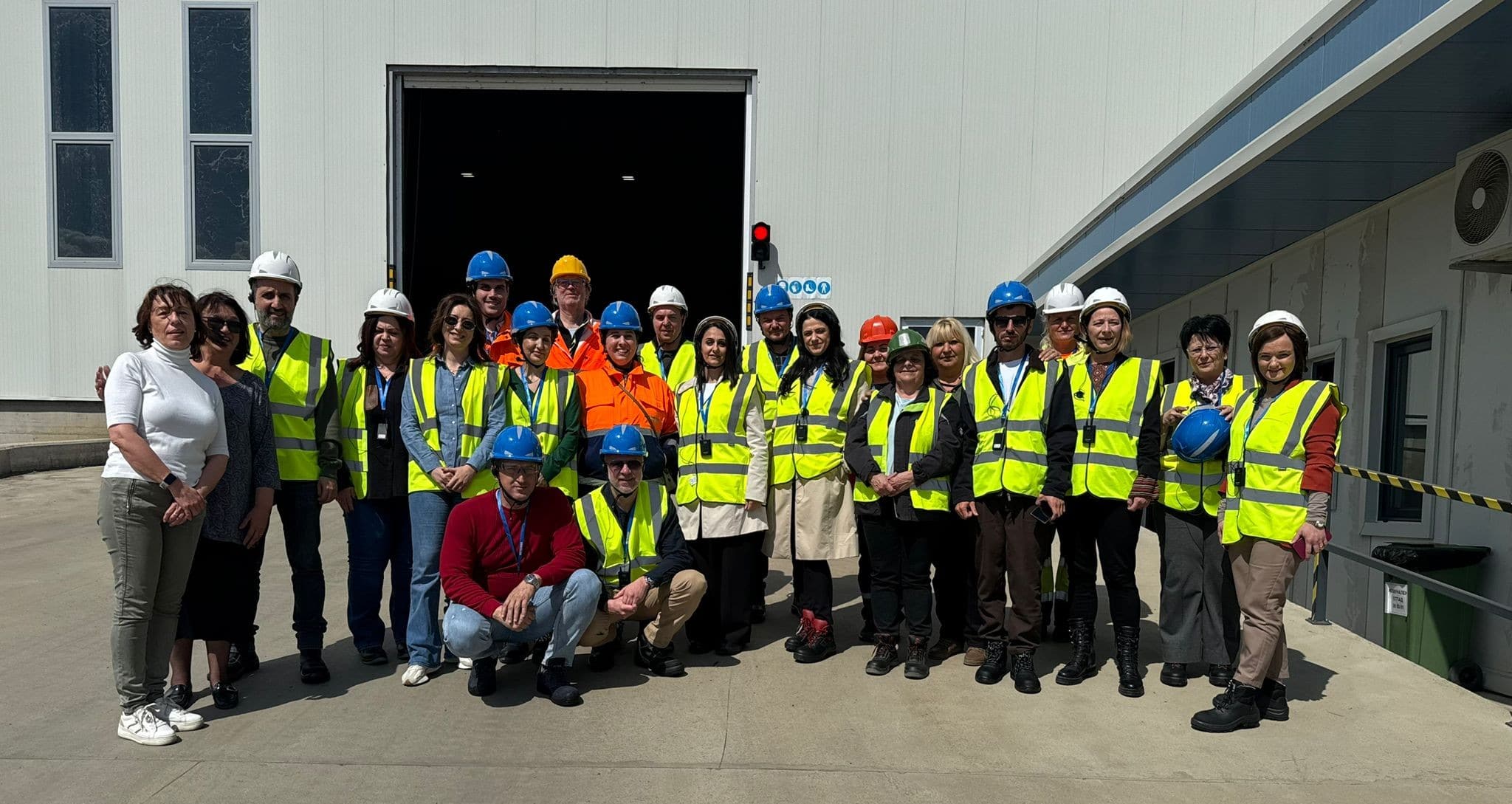
One of the most notable aspects of this mission has been its strong practical approach. In addition to the theoretical sessions, technical visits to industrial facilities were organised to facilitate direct exchange between experts, inspectors, and operators.
The first visit took place at the Dojran Stil factory, where the main environmental parameters of the installation were reviewed in accordance with the applicable environmental permit. The second visit was held at the Kostal factory, near Ohrid, also focused on presenting the facility and analysing its environmental conditions.
The missions scheduled for May in Skopje and Kumanovo will include two additional local technical visits. These visits have been complemented by workshops, during which the main observations and findings identified during inspections were analysed and compared with European legislation and practices in environmental compliance.
The mission has also contributed to advancing one of the project’s strategic objectives: strengthening coordination between national and local levels, promoting a more coherent, transparent inspection culture aligned with EU standards.
With this new activity, the Twinning project has reaffirmed its role as an instrument of public cooperation between European administrations, facilitating the exchange of technical knowledge and the development of sustainable institutional capacities.