


09/10/2026
For four years, Europe will work with Central Asian countries to combat drug trafficking by integrating public health, security, and regional cooperation.
The Central Asian Drug Action Program (CADAP) is a European Union initiative that, since 2003, has promoted the development of effective, evidence-based drug demand reduction policies and best practices to strengthen the capacity of Central Asian governments to address the drug problem in a comprehensive and sustainable manner.
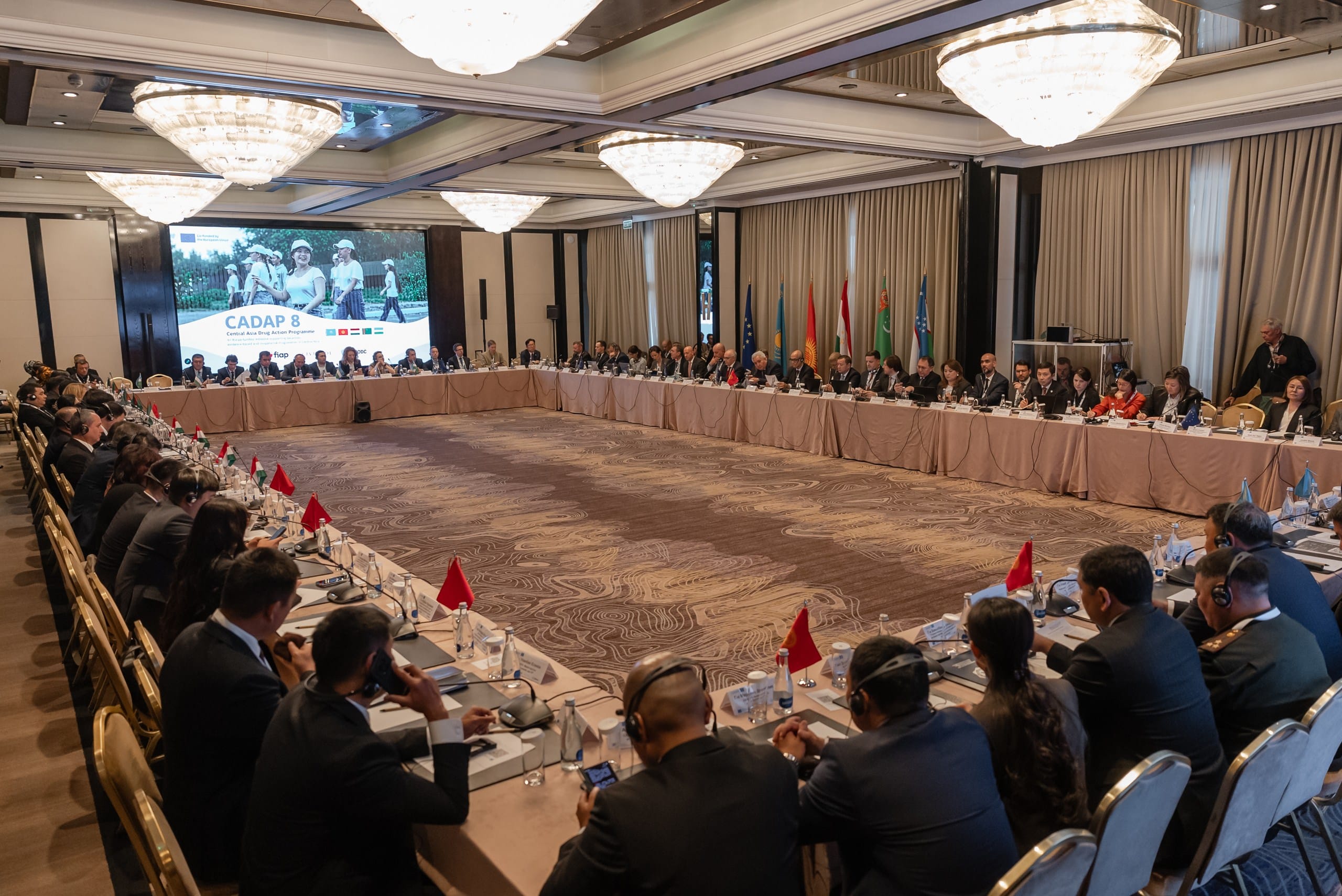
Bishkek, the capital of Kyrgyzstan, hosted the launch of the eighth phase of the CADAP program. The program is co-financed by the European Union and will be implemented over four years by a consortium comprising Spain (FIAP), France (CIVIPOL), and the United Nations Office on Drugs and Crime (UNODC).
The program will provide support to relevant institutions in Kazakhstan, Kyrgyzstan, Tajikistan, Turkmenistan, and Uzbekistan to strengthen institutional responses to evolving drug-related challenges, promoting a balanced approach that integrates public health, security, and regional cooperation.
This cooperation program focuses on institutional capacity building, policy support, the use and creation of regional coordination platforms, and the exchange of knowledge and best practices.
The event was attended by FIAP Director Francisco Tierraseca, who stated: “We believe that the most enduring cooperation occurs among public officials who share the same responsibilities, and that trust between institutions is built on an equal footing.”
In addition, the event was opened by the ambassadors from the Ministry of Foreign Affairs, the European Union delegation, and the embassies of Spain and France in Kyrgyzstan, along with the UNODC regional representative for Afghanistan, Central Asia, Iran, and Pakistan.
During the event, two memoranda of understanding were signed by the FIAP director and the heads of the delegations from each country. These memoranda reaffirm the collaboration between FIAP and the countries where the CADAP 8 program will be implemented.
The program will focus on reducing drug supply and demand, providing information and monitoring on medicines, and fostering regional dialogue and institutional collaboration.