


04/06/2026
With support from the European Union, the Caribbean is strengthening its meteorological and climate services to ensure the safety of its population.
The Caribbean basin is one of the world’s most vulnerable regions to extreme weather and climate events. Hurricanes, tropical storms, storm surges, floods, heavy swells and droughts are becoming increasingly frequent and intense as a result of climate change, affecting both island states and mainland territories such as Central America, Mexico, Venezuela and Colombia.
Against this backdrop, regional and international institutions are stepping up their efforts to strengthen meteorological and climate services across the region with the aim of ensuring that the entire global population is protected by early warning systems by 2027.
National Meteorological and Hydrological Services (NMHSs) play a vital role in this endeavour, providing weather forecasts, climate monitoring, risk communication and key information for disaster preparedness and response. However, many countries in the region continue to face significant challenges relating to infrastructure, technical capabilities, human resources and sustainable funding.
To address these needs, multiple cooperation initiatives are currently being developed to strengthen the NMSHs by improving observation systems, communications, IT capabilities and specialised training programmes. Furthermore, the growing number of actors and programmes in the region highlights the need to strengthen coordination, improve strategic alignment and optimise the use of available resources.
In this context, through the EU-Caribbean Cooperation Mechanism project, progress is being made towards a renewed partnership in the areas of disaster risk management, weather forecasting and climate services. The initiative aims to expand the Caribbean’s access to European satellite technologies, modelling systems and scientific knowledge to improve the forecasting and monitoring of extreme events such as hurricanes, floods and storm surges.
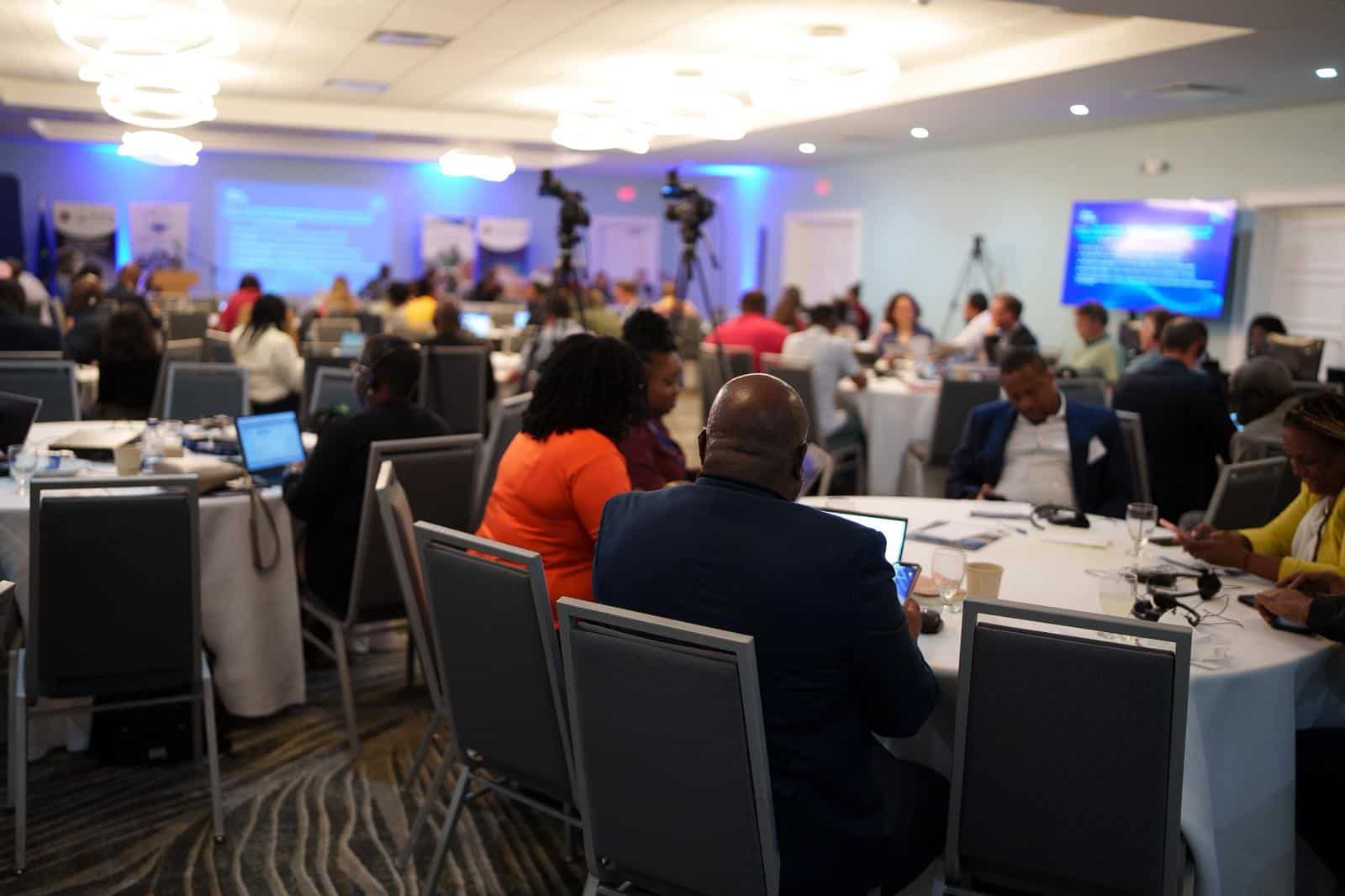
As part of this work, a coordination meeting on the provision of meteorological and climate services in the Caribbean basin was held in the Bahamas. The meeting brought together international, regional and national institutions involved in meteorological and climate services, as well as representatives from European institutions and agencies.
The aim of this meeting was to identify synergies, improve coordination mechanisms and optimise the use of financial resources allocated to climate resilience and disaster preparedness.
Following three days of work, a regional map of initiatives has been drawn up, and greater coordination between stakeholders has been achieved, in addition to identifying regional strengths and needs, and laying the foundations for a future action plan aimed at strengthening meteorological and climate services throughout the Caribbean basin.
This partnership is expected to significantly improve capabilities for modelling and monitoring tropical cyclones, whilst strengthening regional coordination and promoting technology transfer between Europe and the Caribbean, in line with the European Union’s Global Gateway strategy.