
21/05/2026
A Macedonian delegation is learning about the Galician model of environmental inspection due to the environmental and administrative similarities between the two regions.
North Macedonia is making significant efforts to align its legislation and systems with the European Union (EU) acquis and its environmental and climate policies. The country has committed to addressing the recommendations set out in the European Commission’s 2022 Report on North Macedonia, as well as to implementing the Paris Agreement.
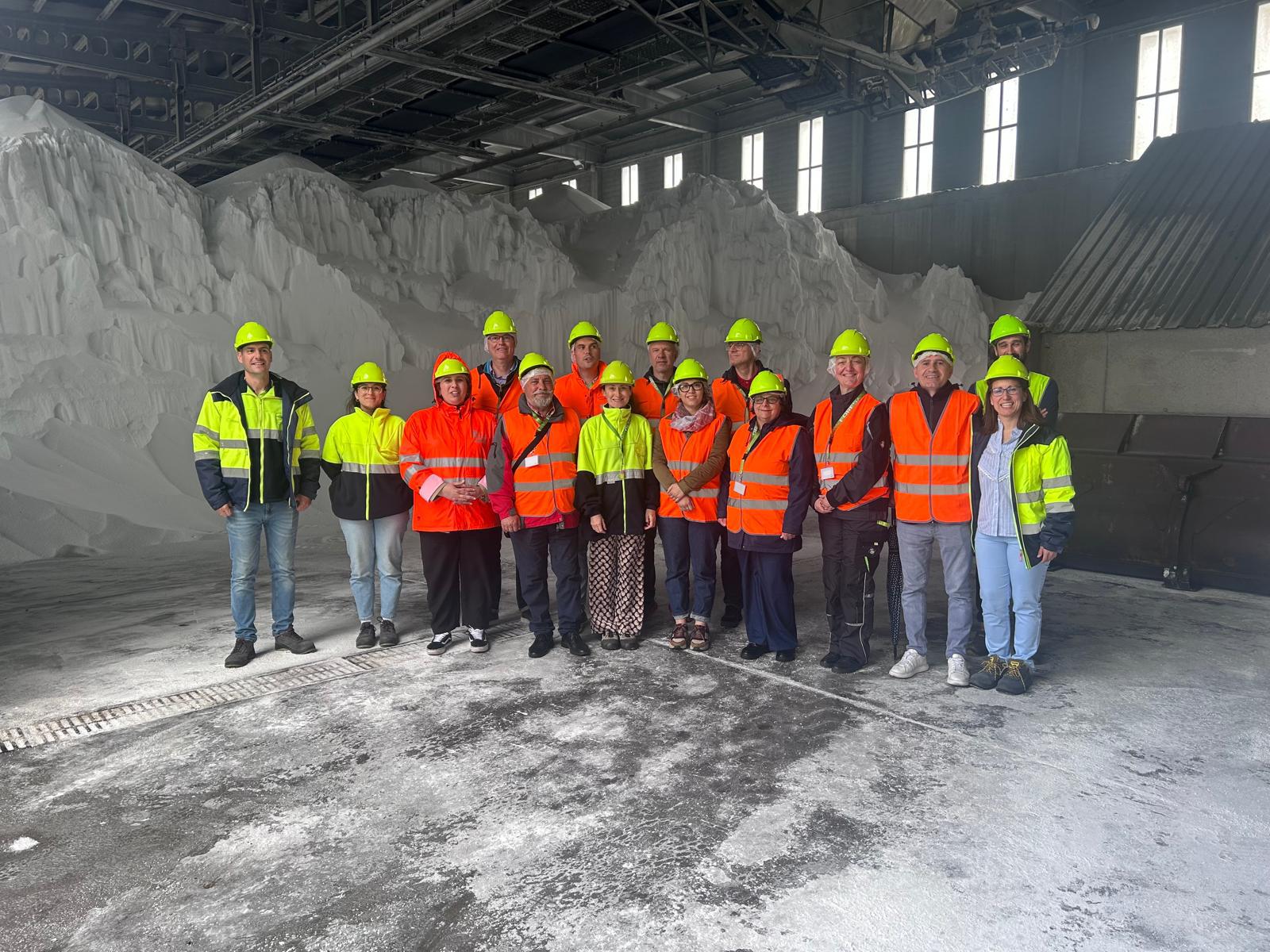
Over a five-day period, a delegation from North Macedonia’s State Environmental Inspectorate visited various Galician institutions, infrastructure facilities and companies to gain first-hand insight into the Spanish model of environmental inspection, coordination between administrations, and the technical and digital tools used for environmental monitoring and control.
The visit was organised as part of the EU’s twinning project on environmental governance in North Macedonia, in which Spain and Greece are participating. Technical exchanges and peer learning serve as a key tool for improving environmental governance and advancing North Macedonia’s alignment with European standards, an initiative that forms part of the EU’s support for North Macedonia’s accession process.
The programme has facilitated meetings with environmental inspection services, specialist police support units and civil protection agencies, as well as technical visits to facilities involved in waste management, wastewater treatment and the automotive industry.
The choice of Galicia as host is based on the regional government’s extensive experience in environmental inspection and international cooperation. The Galician model is particularly relevant to North Macedonia due to the territorial and administrative similarities between the two contexts, as well as the shared need to coordinate environmental responsibilities across different levels of government.
The visits will enable the sharing of experiences on inspection planning, environmental risk management, multi-level coordination between administrations, and the use of digital tools for environmental monitoring and surveillance. The project pays particular attention to the introduction of ‘smart inspection’ methodologies, based on risk analysis and standardised procedures, as well as to the development of interoperable information systems that facilitate institutional coordination and access to environmental data.