

06/10/2026
The fishing industry is a key sector in Angola, and through the European ‘Blue Economy’ project, professionals in the sector can learn about the Galician fishing model.
Angola has 1,650 kilometres of coastline, which means the country boasts a diverse and productive marine ecosystem. Fishing in Angola accounts for 2.7 per cent of GDP and 23 per cent of its exports. Furthermore, fishing activities provide employment for 150,000 people. This makes the sector vital and represents the government’s third priority.
In light of this, Spain, France and Portugal are working with Angola on a European Union project aimed at promoting the sustainable management of its marine resources, as well as the blue and strategic economy in Angola. As part of this project, an Angolan delegation has visited Spain to learn about the Galician fishing model.
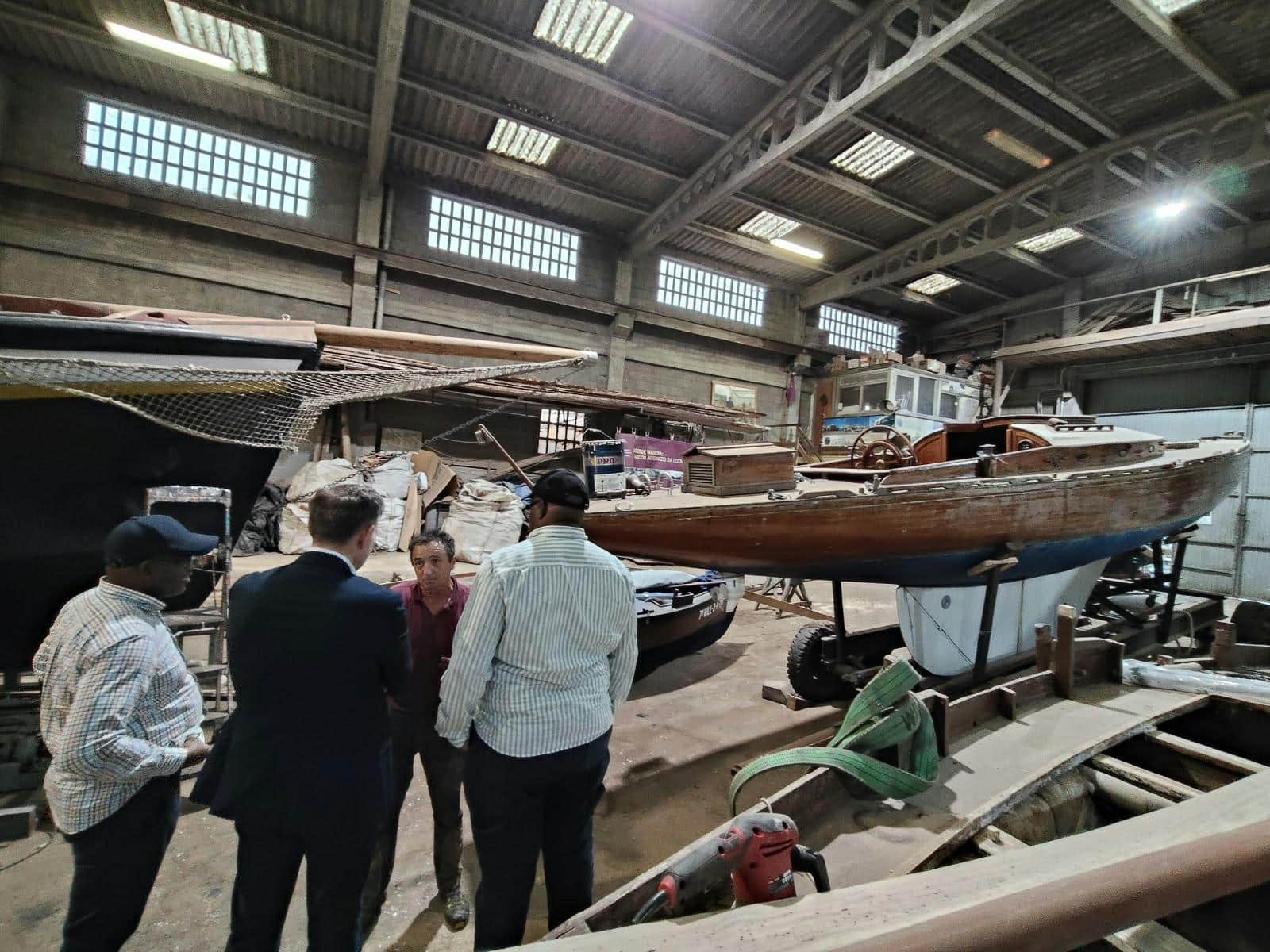
FIAP and the Regional Government of Galicia organised the first part of the visit and, on their arrival in Spain, staff from Angola’s Institute for the Development of Small-Scale Fisheries and Community Aquaculture (IPA) visited Ribeira in Galicia, a leading municipality for inshore fishing (a traditional fishing technique practised in shallow coastal waters), where they were able to gain first-hand insight into the Galician fishing model, with a particular focus on traditional fishing and the training of professionals in the sector. During the tour, they visited the Official Nautical and Fishing School, followed by the fishermen’s guild, the fish market and the port, where they were able to gain an insight into the workings of the various stages of the local fishing industry.
Angola is home to Spanish companies linked to its maritime sector, so the visit also provided an opportunity to discuss the differences and similarities between the fishing models in Galicia and in the African country, and it was noted that the Spanish model could be replicated in Angola.
Furthermore, the FIAP, together with the University of Vigo and the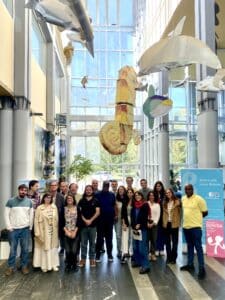 Polytechnic University of Madrid, is carrying out a comprehensive assessment of the value chains and production systems in Angola’s fisheries and aquaculture sector. Following their visit to Ribeira, the delegation visited the University of Vigo, where FIAP, together with both universities, organised a coordination workshop at which the status of the assessments to be carried out in Angola was presented to the Angolan IPA staff. In addition, they were able to define the next steps, methodologies and working groups that will support the work to be carried out on the ground.