


10/06/2026
A visit by a Bolivian delegation to Spain has opened up new avenues for cooperation in the fields of justice, victim support and forensic science.
Bolivia has a robust regulatory and institutional framework for combating human trafficking and the smuggling of migrants. However, challenges remain regarding coordination between institutions, comprehensive support for victims, and the sustainability of public policies.
In this context, the European Union project on support for the prevention of trafficking helps to strengthen institutional coordination and improve mechanisms for the protection, care and reintegration of victims, whilst also promoting free access to essential services and strengthening reception facilities.
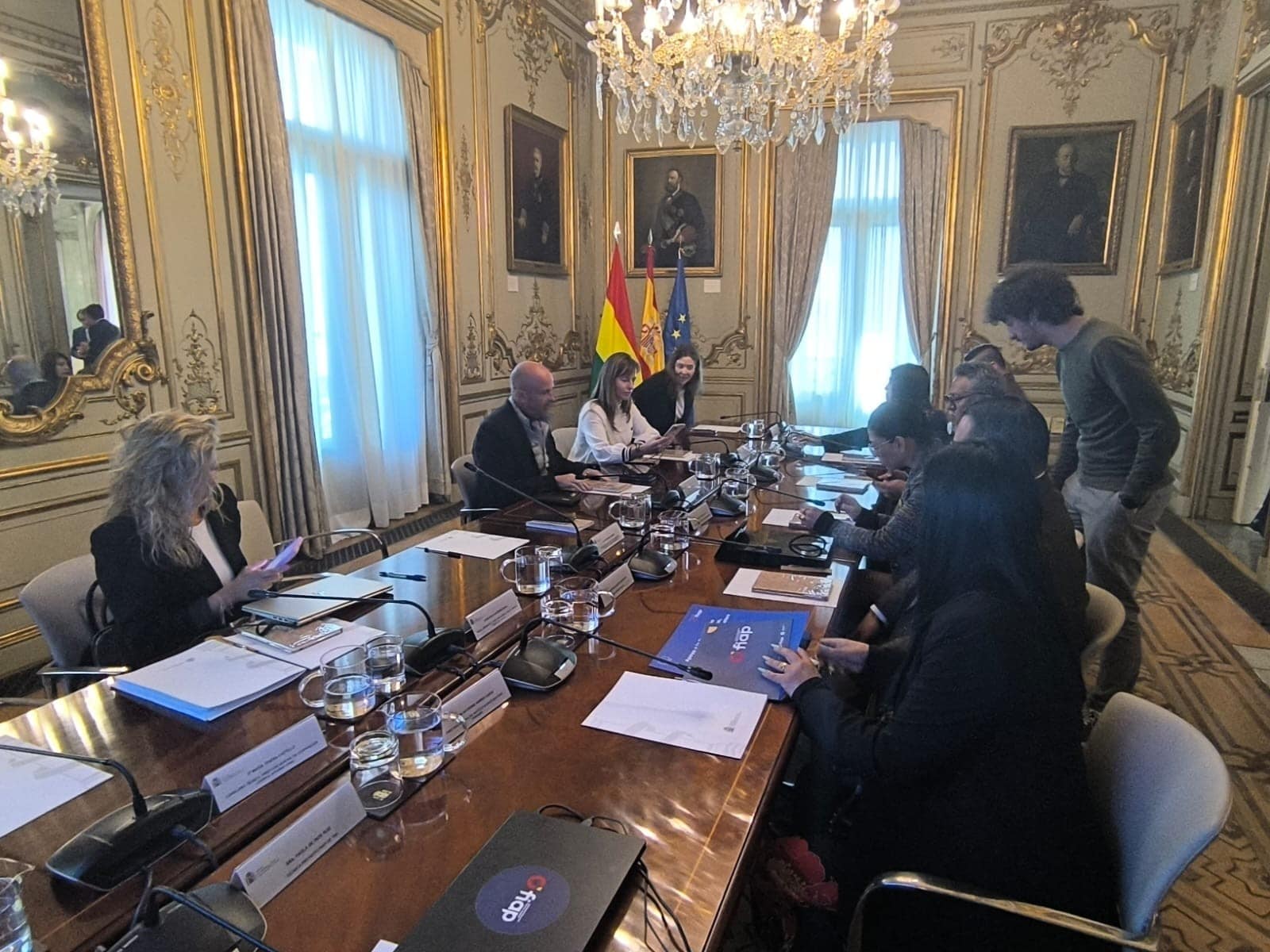
As part of this project, an official visit was organised to exchange experiences with high-level representatives from the Attorney General’s Office of the Plurinational State of Bolivia. This visit has given rise to new, concrete initiatives for academic and technical collaboration between the two countries.
The aim was to consolidate a network of technical and institutional cooperation between the Attorney General’s Office of the Plurinational State of Bolivia and various Spanish institutions involved in criminal prosecution, forensic medicine, international legal cooperation and the protection of victims of human trafficking.
The delegation, comprising senior officials from the Bolivian Public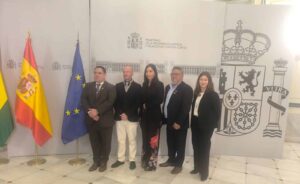 Prosecutor’s Office, has been able to learn about Spanish experiences in areas such as criminal investigation, the modernisation of forensic science, victim protection and equality policies, through meetings with leading institutions in the judicial, prosecutorial, police and forensic sectors.
The visit also served as an opportunity to exchange experiences on some of the main challenges facing Bolivia, such as institutional strengthening, the digitisation of the justice system, victim protection, international cooperation and the consolidation of specialised prosecution services. In this context, the Bolivian authorities have shared progress such as the implementation of the ROMA system for the digitisation of case files and the recent Law on the Protection of Children in Digital Environments.
As a result of the visit, new avenues of cooperation have been opened up between Spain and Bolivia in the academic, forensic and judicial fields.
These include the forthcoming signing of a memorandum of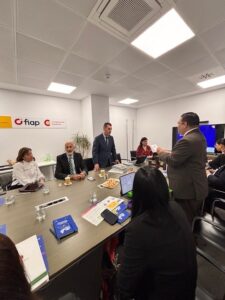 understanding between the Complutense University of Madrid and the Bolivian Attorney General’s Office to promote specialised training for prosecutors and forensic staff; the inclusion of the Institute of Forensic Research (IDIF) in a series of technical seminars organised by the Spanish Ministry of the Presidency, Justice and Relations with the Courts; and the launch of a forum for exchange between the prosecution services specialising in human trafficking in both countries to share best practices and strengthen victim-centred care.
The visit has highlighted the value of public technical cooperation in delivering concrete and lasting results. Beyond the exchange of experiences, it has made it possible to identify best practices, strengthen institutional ties and open up new opportunities for collaboration between Spain and Bolivia.
It has also reinforced the importance of tackling human trafficking from a comprehensive perspective, combining criminal prosecution with victim protection, international cooperation and the strengthening of institutional capacities. The initiatives that emerged during the mission continue to be developed and are consolidating collaboration between the two countries.