

01/06/2026
The COPOLAD III Programme, led by FIAP, is promoting technical exchanges in Lisbon and Barcelona to strengthen evidence-based public drug policies.
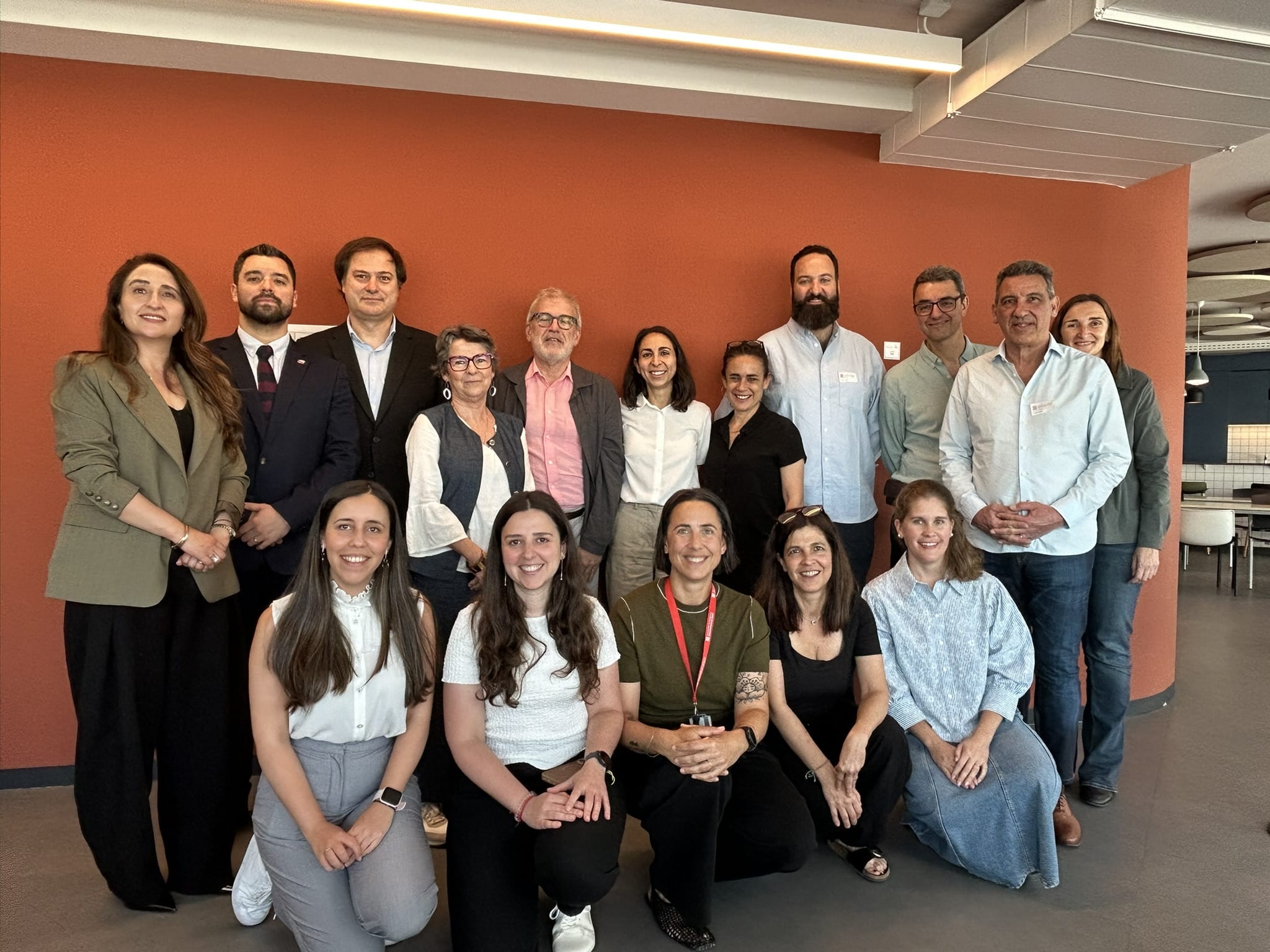
The European Union, through the EU-LAC Bi-regional Cooperation Programme on Drug Policy (COPOLAD III), is supporting institutional delegations from Chile and Uruguay in strengthening their public drug policies through a study visit to Lisbon and Barcelona focused on risk and harm reduction.
This approach brings together policies, programmes and practices aimed at reducing the health, social and economic consequences associated with drug use, through prevention, healthcare, social support and access to services tailored to people in vulnerable situations. The new European Union Drug Strategy 2026–2030 reaffirms this approach, with an emphasis on public health, evidence-based responses and respect for human rights.
The delegations comprise representatives from Uruguay’s National Drug Secretariat (SND) and Chile’s National Service for the Prevention and Rehabilitation of Drug and Alcohol Use (SENDA), alongside the Chilean Ministry of Health and the Ministry of Social Development and Family.
This initiative forms part of the modernisation processes being driven by both countries, with a growing emphasis on public health, social inclusion and institutional coordination. In this context, the initiative provides a platform for peer learning that enables the sharing of experiences, the analysis of common challenges and progress towards more effective responses tailored to each country’s specific circumstances.
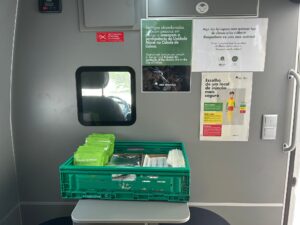
In Lisbon, the programme has been organised in collaboration with the European Union Drug Agency (EUDA) and the Institute for Addictive Behaviours and Dependencies (ICAD), whose teams provide analysis, applied knowledge and expertise in the implementation of integrated intervention models. The visit also includes first-hand experience of low-threshold services, providing an opportunity to observe in practice services aimed at improving access to and continuity of care for people in vulnerable situations.
In Barcelona, the activity focused on the regional implementation of these approaches, in collaboration with the Public Health Agency of the Government of Catalonia and the Government Delegation for the National Plan on Drugs of the Spanish Ministry of Health. Through visits to various facilities, the delegations gained an understanding of how a care network operates, linking health, social and community services with responses tailored to different profiles.
The event combined technical sessions, institutional dialogue and field visits, serving as a working forum aimed at strengthening coordination between key stakeholders, including health, justice and social services authorities. The exchange drew on the specialist technical expertise of public administrations, enabling the sharing of practical knowledge and solutions that can be adapted to national contexts.
This initiative contributes to progress towards more effective, evidence-based and people-centred drug policies, whilst strengthening cooperation between the European Union, Latin America and the Caribbean in addressing a complex and constantly evolving phenomenon.