
28/07/2026
Experts from the Spanish Tax Agency are helping to design a new tool to modernise tax audits.
The digital transformation of tax administrations has become a priority for improving the efficiency of audit processes, optimising data analysis and strengthening the fight against tax fraud. Against this backdrop, an increasing number of institutions are turning to smart tools that enable more agile, accurate and data-driven audits.
Mexico is one of the countries committed to driving forward digital transformation processes aimed at enhancing the efficiency of tax audits and improving the use of information for decision-making. In line with this, the Guanajuato State Tax Administration System (SATEG) is developing the Intelligent Digital Audit Platform (PADI), with the aim of optimising audit processes and strengthening its institutional capabilities.
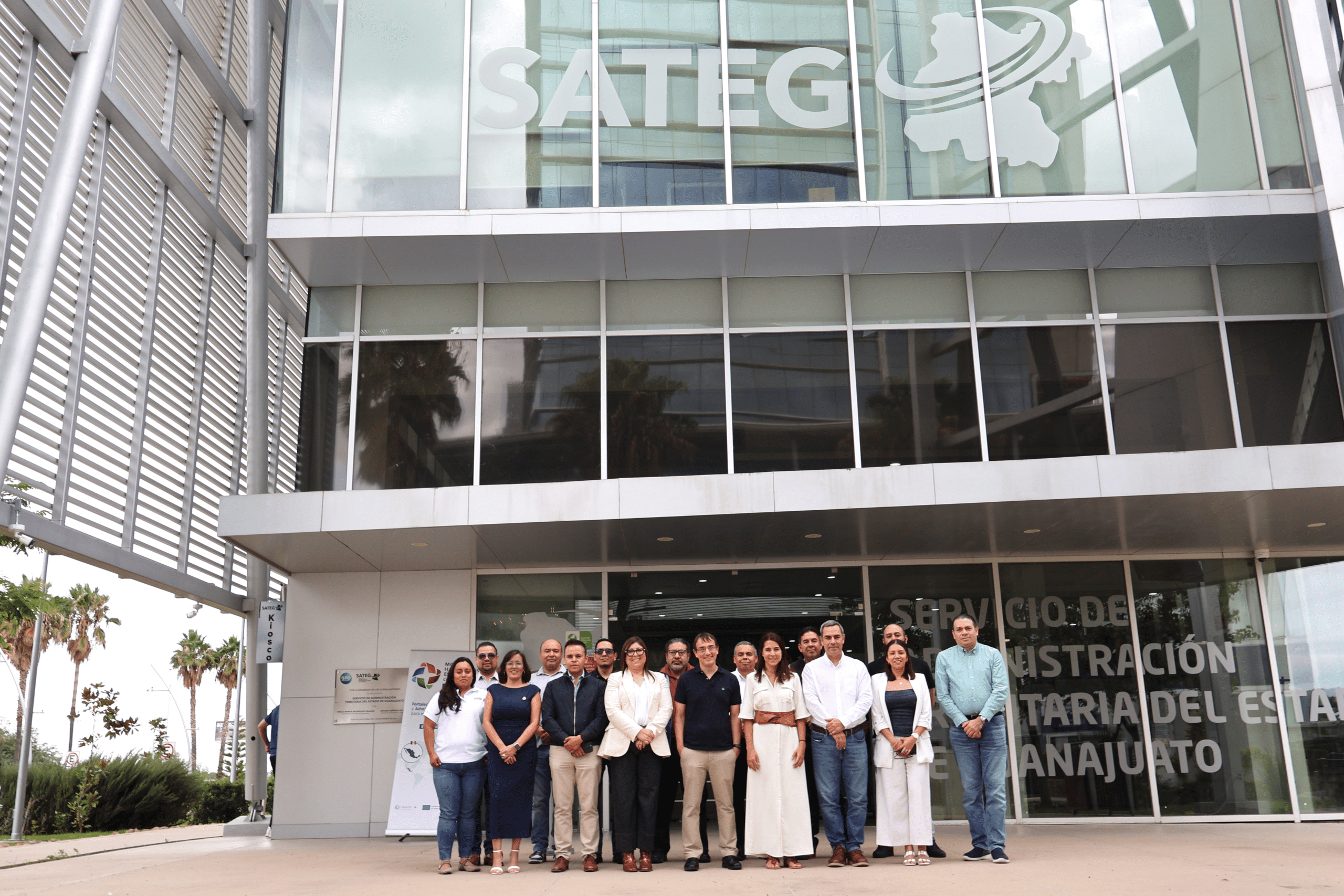
A team of specialists from Spain’s State Tax Administration Agency (AEAT) has carried out a technical mission as part of the European EU4Equity project. Together with SATEG, they have reviewed the conceptual and functional approach of the future platform, a key step in defining the technical foundations that will guide its development.
The working sessions focused on analysing the digital audit process, gaining an understanding of SATEG’s current technological infrastructure and identifying the technological requirements necessary for the implementation of the tool, including aspects relating to software, databases, storage and hardware.
Furthermore, the AEAT’s team of specialists has drawn up technical recommendations aimed at ensuring a robust, scalable solution tailored to the needs of the Guanajuato tax authority.
As a result of the mission, terms of reference have been drawn up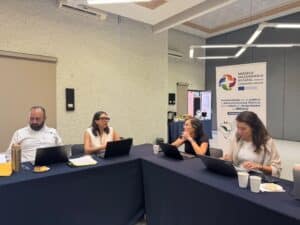 which will serve as the basis for the procurement of the IT development of the Intelligent Digital Audit Platform (PADI). This work has marked a further step forward in strengthening audit capabilities and in the digital transformation of the tax administration, promoting the exchange of knowledge and best practice between public institutions in Spain and Mexico.
This activity has been carried out as part of EU4Equity, a programme funded by the European Union and implemented by FIAP and Expertise France to strengthen tax systems and public finances in Latin America and the Caribbean.
Through cooperation between public administrations, the programme promotes the exchange of knowledge and experiences to improve the mobilisation of domestic resources, foster more efficient tax management and contribute to sustainable and inclusive development.