
22/06/2026
The initiative aims to address the province’s environmental and urban challenges through institutional strengthening, innovation and the creation of new economic opportunities.
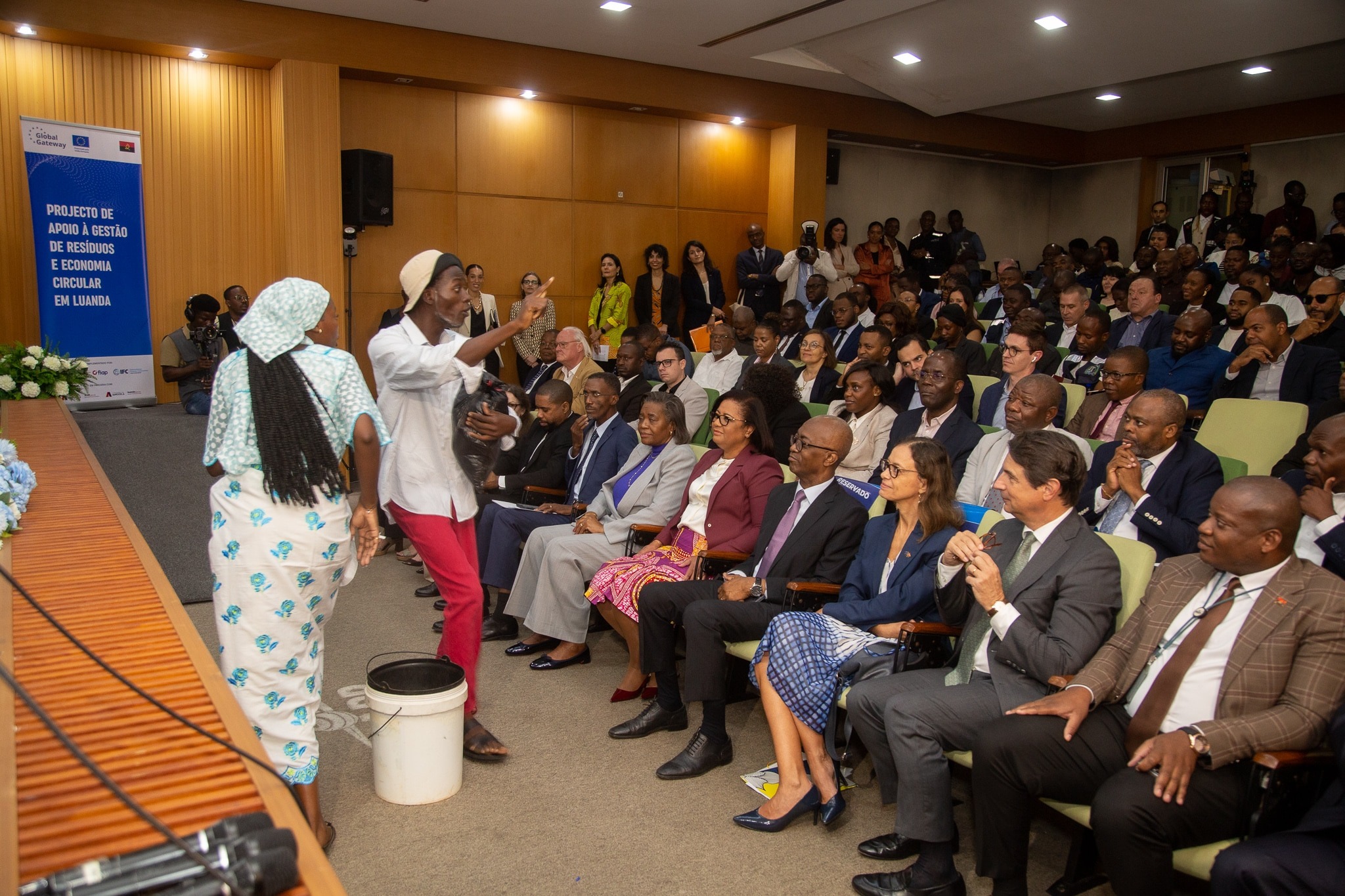
Against a backdrop of rapid urban and population growth, solid waste management has become one of Luanda’s main environmental challenges. In this regard, the project, funded by the European Union and the French Republic, aims to promote more sustainable waste management systems, foster circular economy models and generate new economic opportunities, thereby helping to improve urban hygiene and reduce the environmental and health impacts associated with inadequate waste management.
The project is structured around four main lines of action aimed at transforming solid waste management in the province of Luanda. Firstly, it seeks to strengthen the institutional and regulatory capacities of the National Waste Agency (ANR) and local authorities to improve service delivery, promote sustainable models and foster new opportunities linked to the circular economy.
Furthermore, the initiative will promote the mobilisation of private investment for infrastructure development, whilst supporting the gradual integration of waste pickers and informal cooperatives into the sector. To this end, efforts will focus on improving working conditions, providing vocational training and creating green job opportunities, with a particular focus on women and young people.
The project is aligned with the Angolan Government’s priorities set out in the 2023–2027 National Development Plan, particularly in relation to the environment and the circular economy. It also contributes to international sustainable development goals, notably SDG 11 (Sustainable Cities and Communities), SDG 12 (Responsible Consumption and Production) and SDG 13 (Climate Action), as well as the Paris Agreement and the European Union’s Global Gateway strategy, which identifies the green transition as a key pillar of cooperation between Europe and Africa.
The event’s launch ceremony took place on 17 June and brought together institutional representatives, Angolan and European authorities, local councils, the private sector, waste cooperatives and civil society. The event also featured three panel discussions on the project’s main challenges: sustainable waste management, its financing and the transition towards a more inclusive and circular sector.
The project is led by Angola’s Ministry of the Environment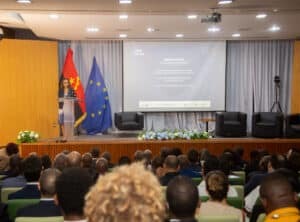 (MINAMB), in coordination with the National Waste Agency (ANR) and the Luanda Provincial Government (GPL), and is being implemented in partnership with a consortium comprising Expertise France, Camões – Instituto da Cooperação e da Língua, I.P., the International Finance Corporation (IFC) and the Foundation for the Internationalisation of Public Administrations (FIAP).