

29/07/2026
Cooperation between tax authorities drives improvements in information management, tax collection and the fight against tax fraud.
Strengthening tax administration is a key step in enabling governments to fund high-quality public policies and reduce inequality. In the Dominican Republic, one of the main challenges is to broaden the tax base, reduce the informal economy and improve efforts to combat tax fraud and evasion, thereby strengthening the government’s capacity to generate its own revenue.
Against this backdrop, the Spanish Agency for International Development Cooperation (AECID) and FIAP, together with Spain’s State Tax Administration Agency (AEAT) and the General Directorate of Internal Revenue (DGII) of the Dominican Republic, are implementing a bilateral technical cooperation project to strengthen the capacities of the Dominican tax administration.
The initiative, funded with 200,000 euros from the AECID and scheduled to run until August 2027, is structured around three areas of work defined by the DGII itself in its 2025–2028 Institutional Strategic Plan: expanding the taxpayer register, particularly amongst micro, small and medium-sized enterprises and individuals engaged in informal economic activities; moving towards a comprehensive model for tax information management; and improving tax debt collection processes.
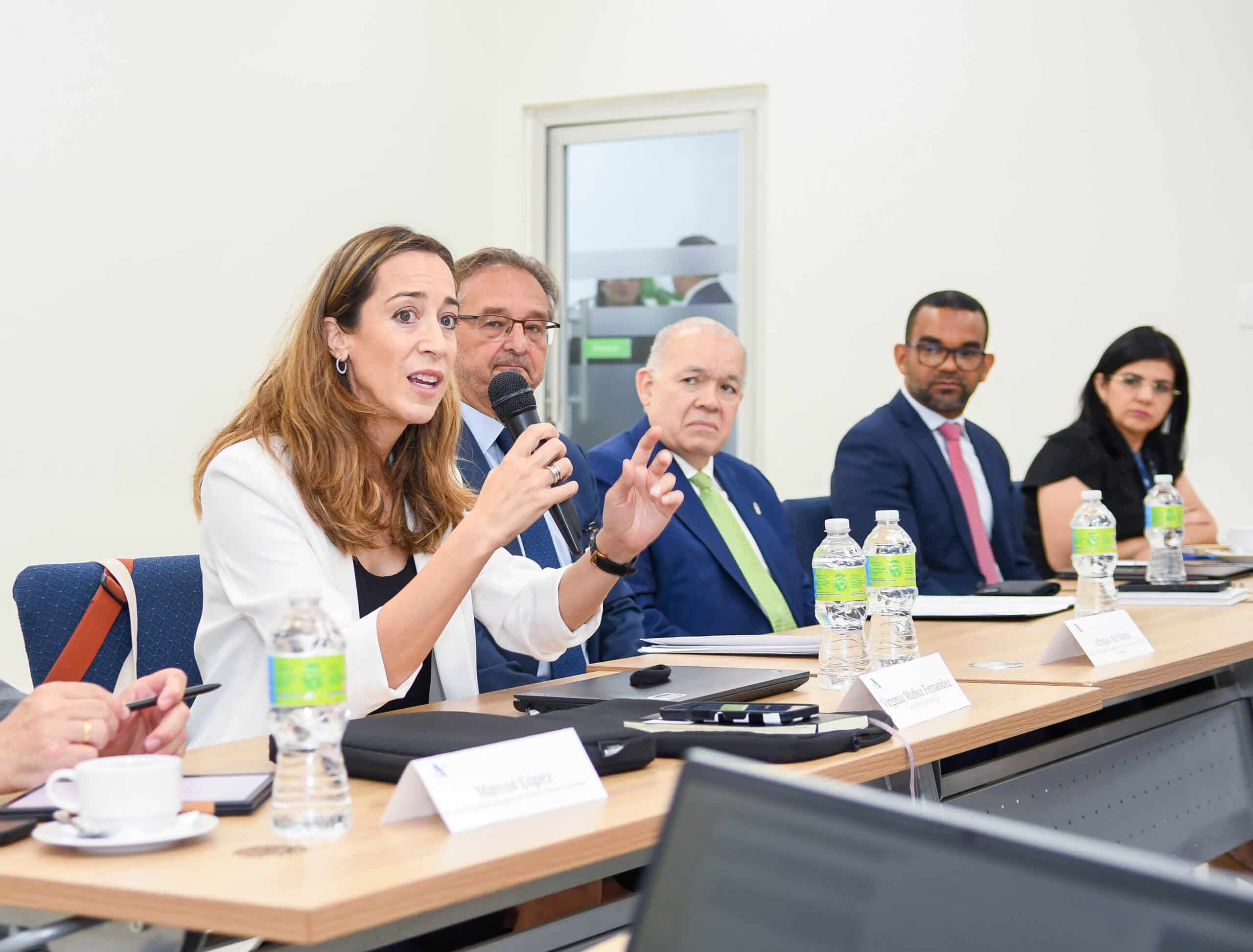
Between 6 and 10 July, Santo Domingo hosted the project’s first technical mission. Over the course of a week, seven specialists from the AEAT worked alongside teams from the DGII to exchange experiences and analyse potential improvements in areas such as the identification of unregistered taxpayers, the management of tax debt, and the organisation and use of tax information.
The mission concluded with the definition of the scope, methodology and work plan for each of the lines of action, as well as the pilot projects to be launched in the coming months.
This initiative reflects the model of cooperation promoted by the AECID and the FIAP: mobilising the knowledge and experience of Spanish public administrations to support counterpart institutions in partner countries. It is a model of peer-to-peer cooperation, in which the exchange of practical knowledge helps to strengthen institutional capacities and improve public policies.