


04/08/2026
The programme, led by FIAP, aims to ensure that energy strategies meet the needs and interests of the whole community.
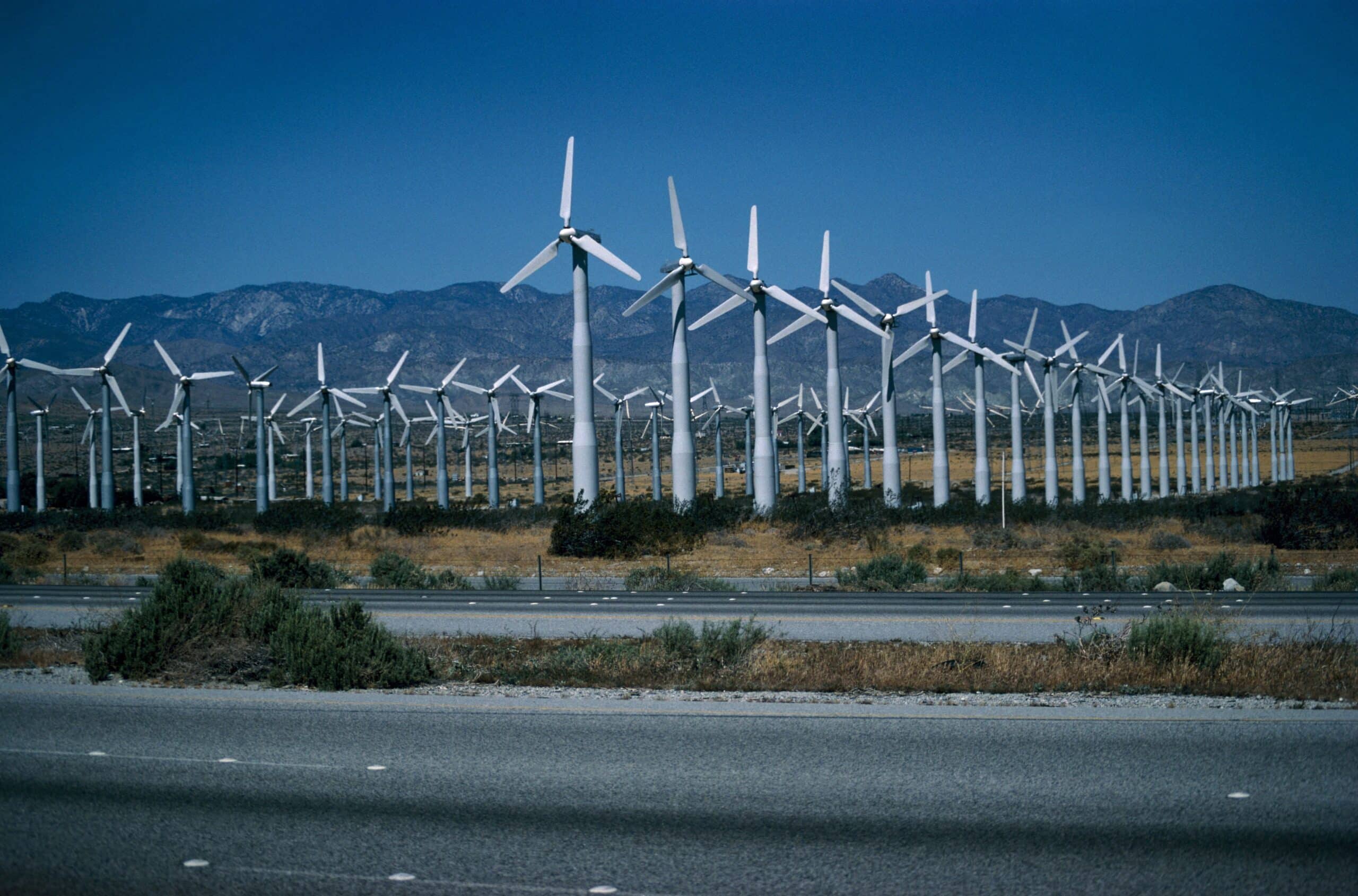
Uruguay is moving forward with a second energy transition linked to the decarbonisation of its economy and the development of sectors such as green hydrogen, energy efficiency and sustainable mobility. International experience shows that social acceptance, public participation and coordination between administrations are key factors in accelerating these investments and ensuring that their benefits reach local areas and communities.
In this context, the Inclusive Societies programme, led by FIAP, will support the implementation of the Energy Communities Programme run by Uruguay’s Ministry of Industry, Energy and Mining (MIEM) in four municipalities in the departments of Artigas, Paysandú, Río Negro and Lavalleja.
This collaboration, within the field of Governance and Citizenship, aims to strengthen an energy transition that creates opportunities for economic and social development in local areas, incorporating public participation and an inclusive approach from the outset.
The programme will therefore support the selected local authorities in drawing up their Local Energy Strategies, beginning with a participatory assessment to identify the socio-economic reality of each area, its resources and the opportunities for promoting projects that contribute to decarbonisation and local development.
The process will bring together local authorities, the private sector and civil society organisations, ensuring the participation of women, young people and other vulnerable groups. The aim is for energy strategies to meet the needs and interests of the whole community and help reduce existing inequalities in each region.
The partnership between the MIEM, the Uruguayan Agency for International Cooperation (AUCI) and the European Union reinforces the social dimension of the energy transition in Uruguay and contributes to the objectives of the European Union’s Global Gateway strategy in Latin America and the Caribbean.
The energy transition is not merely about rolling out infrastructure; it also requires strengthening institutional capacities and community participation to ensure that investments are sustainable, inclusive and generate local benefits.