


07/07/2026
A study visit has facilitated the exchange of experiences with Ireland and Spain to identify best practices that can be adapted to the Uruguayan context.
Uruguay, Ireland and Spain have exchanged experiences on sustainable livestock farming as part of a technical mission that has enabled them to share public policies, identify common challenges and strengthen institutional cooperation in order to move towards more sustainable production models.
The visit, which took place in May and June as part of the ‘Strengthening Sustainable Livestock Farming in Uruguay’ project under the EUROCLIMA LAC programme, brought together representatives from the Ministry of Livestock, Agriculture and Fisheries (MGAP), the Ministry of the Environment (MA), the National Meat Institute (INAC) and the FIAP.
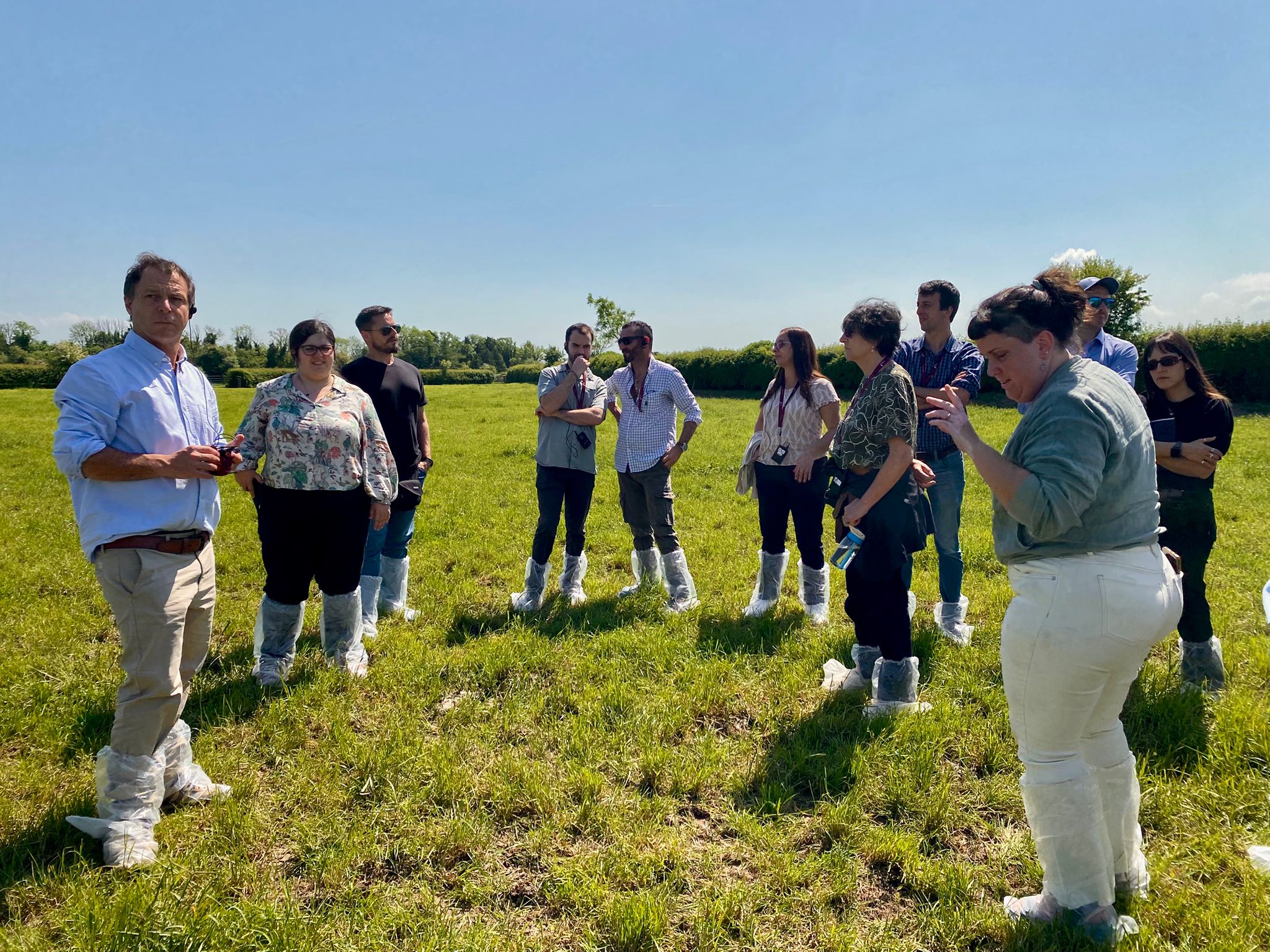
The programme combined institutional meetings with technical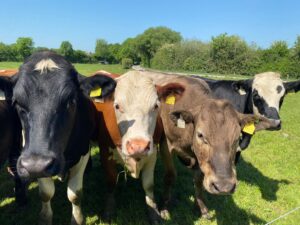 visits to research centres and livestock farms, thereby helping to strengthen institutional capacities in the areas of sustainable livestock farming, emissions measurement, agri-food certification, biodiversity, innovation and rural development.
The visit began in Ireland, where the delegation met with the Teagasc Research Institute, the Department of Agriculture, Food and the Marine (DAFM) and the Bord Bia agency. It also visited the Teagasc Grange experimental centre, which specialises in reducing emissions from livestock production, and the Dairy Calf to Beef demonstration farm, where it learnt about initiatives such as AgNav, Origin Green and ACRES, which are leading examples of sustainability in the sector.
The delegation then travelled to Madrid, where it was received by the Ministry of Agriculture, Fisheries and Food (MAPA). Discussions focused on the Common Agricultural Policy (CAP), the Ecogan platform, and strategies for environmental management and climate change. In addition, the delegation met with the Union of Small Farmers and Livestock Breeders (UPA) and Acodea to learn about rural development and generational succession initiatives, and visited a livestock farm in La Cabrera to see how technologies are being applied to grazing, such as GPS collars and virtual fencing.
The mission concluded in Asturias, where the delegation was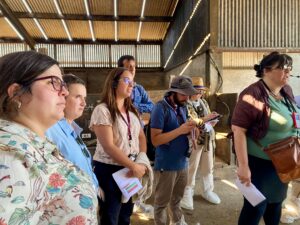 received by the Principality’s Regional Ministry for Rural Affairs and Agricultural Policy. Discussions focused on policies to support generational succession, moving to rural areas and sustainability, as well as learning about the experience of the Land Bank. The programme was rounded off with visits to SERIDA’s experimental centres in Illano, Villanueva and Villaviciosa, which specialise in livestock research, digital tools for the agri-food sector and biodiversity conservation.
The visits provided a first-hand insight into the public policies, tools and models of sustainable livestock production developed in Ireland and Spain. Furthermore, common challenges shared with Ireland and Spain – which are also on Uruguay’s agenda – were identified, facilitating an enriching technical and institutional exchange on the implementation of public policies with the potential to be applied and adapted to the national context. The mission also helped to strengthen international cooperation ties and build institutional networks to continue working together towards more sustainable livestock production.