


25/08/2026
Faced with a significant burden of child malnutrition, Eswatini is committed to making nutrition a national development priority.
In Eswatini, one in five children suffers from stunted growth due to malnutrition. Three forms of malnutrition can coexist within a single household: a child who did not receive adequate nutrition in their early years, an adolescent with anaemia, and an overweight mother or father who, faced with long working hours and limited resources, resorts to cheap and less healthy food.
Malnutrition is not merely a public health challenge. Its causes and consequences cut across multiple sectors, including education, agriculture, social protection and economic development. Strengthening institutions and building an effective multisectoral response is therefore key to achieving sustainable solutions. Against this backdrop, the Kingdom of Eswatini is working to strengthen nutrition governance and elevate it to the highest level of government.
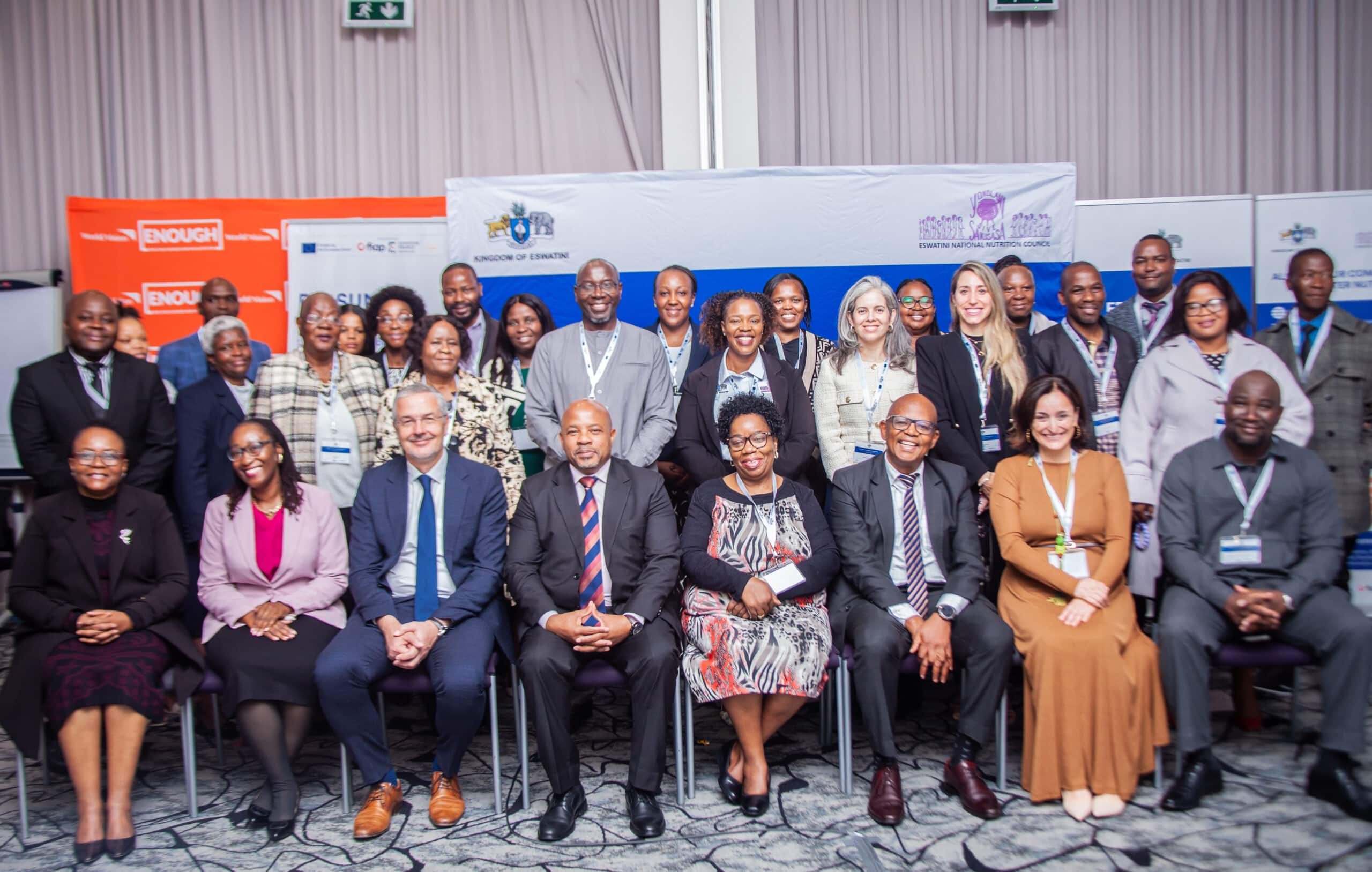
As part of this effort, representatives from key ministries such as Agriculture, Education, Finance and Economic Planning, together with United Nations agencies, civil society organisations, local authorities and traditional leaders, endorsed the National Food and Nutrition Policy 2026–2035 and the Principles of the Legislative Framework on Nutrition during a national workshop held from 28 to 30 July in Mbabane.
The meeting, opened by the Minister of Health, accompanied by the European Union Ambassador to Eswatini, was organised by the Eswatini National Nutrition Council and the Ministry of Health, with technical support from FIAP and the SUN (Scaling Up Nutrition) movement, as part of the EU4SUN project, funded by the European Union.
During the workshop, participants reviewed and validated the key elements of both instruments. The new National Policy is committed to coordinated, equitable, evidence-based and sustainably funded action on nutrition, and sets out eight programme pillars ranging from maternal and child nutrition to emergency response.
The principles of the future legislative framework, meanwhile, will lay the foundations for strengthening the authority and coordination capacity of the National Council for Food and Nutrition, placing it under the Office of the Prime Minister to ensure a strategic and multisectoral response. The workshop also included a parliamentary dimension, with a commitment from legislators to support the reform process and keep nutrition on the parliamentary agenda.
The next steps include the Ministry of Health presenting the draft Policy to the Cabinet, with approval expected in the coming months, as well as submitting the principles of the legislative reform to the Attorney General’s Office for consideration in the drafting of the bill, which is expected to be passed between 2026 and 2027.
Through this initiative, Eswatini is making progress towards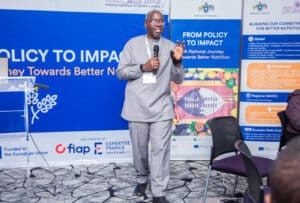 fulfilling the international commitments made at the Nutrition for Growth (N4G) Summit in Paris in 2025, including moving towards a modern policy and legislative framework, increasing domestic funding for nutrition by 20 per cent, and strengthening information and accountability systems.
As part of the EU4SUN project, FIAP has played a key role in the technical drafting of the policy and legislative principles. With the validation of these instruments, Eswatini is taking a further step towards translating its international commitments into concrete governance mechanisms and establishing nutrition as a national development priority.