


29/09/2026
The EU twinning project is supporting the most far-reaching reform of Moldova’s labour inspection system in over a decade, with the aim of strengthening workers’ rights.
The Republic of Moldova is making progress in establishing a modern and effective labour inspection system that will help to bring undeclared employment to light and ensure high standards of working conditions and social protection, thereby contributing to the social and occupational well-being of its citizens – the foundation of prosperity and a competitive economy.
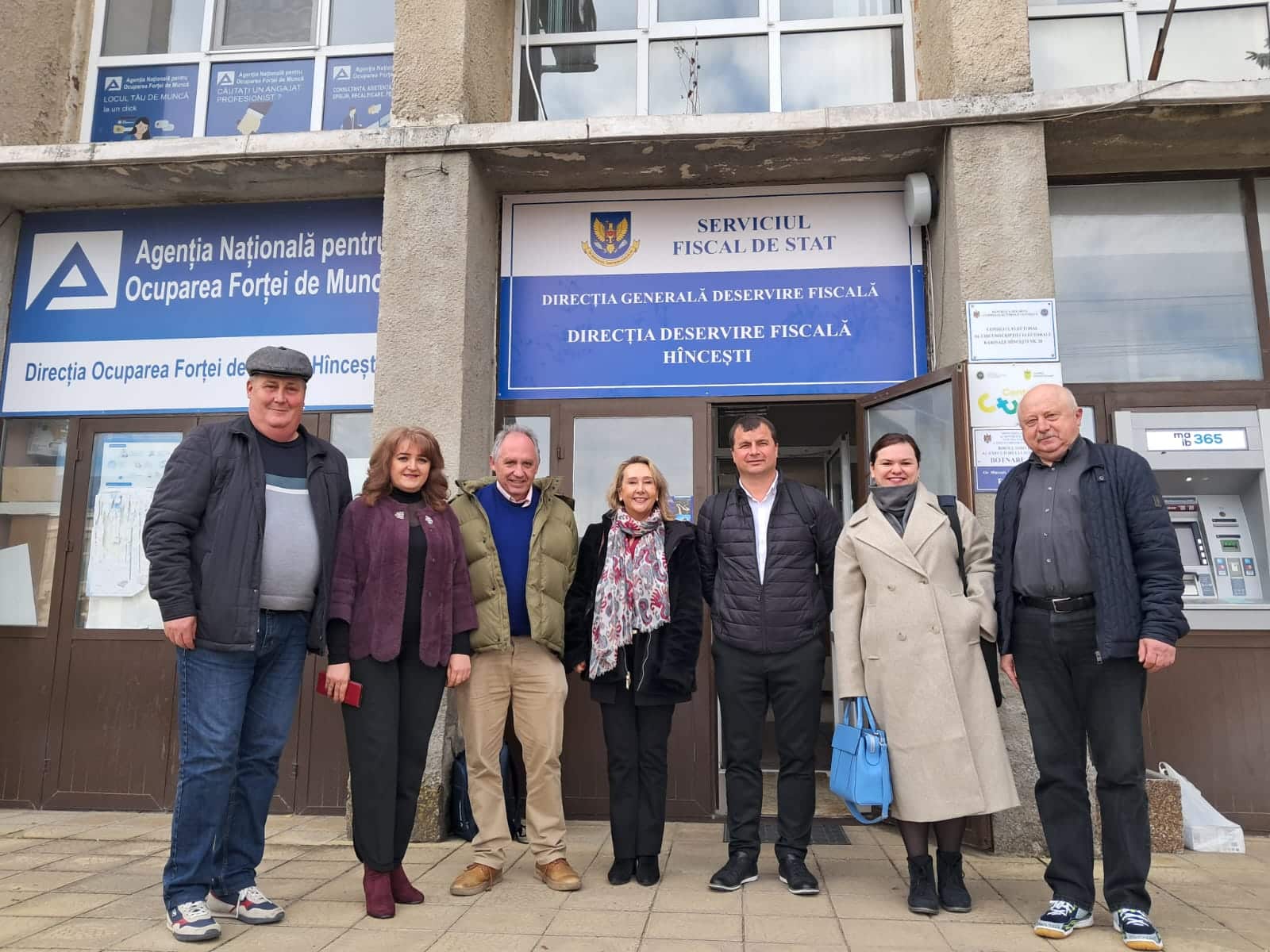
This is the objective of the European Twinning project ‘Strengthening the institutional capacities of the State Labour Inspectorate of the Republic of Moldova’, which has now carried out 33 missions and one study visit.
The project has supported a decisive milestone: the reform of Law 140/2001, passed by the Moldovan Parliament on 18 December 2025. This is the most significant structural change to the inspection system in over a decade, as it allows for unannounced inspections and strengthens the Labour Inspectorate’s powers to ensure compliance with ILO Conventions 81 and 129. The reform thus establishes a new legal framework for inspection work and contributes to Moldova’s EU accession process.
Another key area is the prevention and investigation of workplace accidents. The project has organised several training sessions, including a specific mission on accident investigation in June 2026. This mission focused on investigation methodology, from examining the accident site to analysing its direct, indirect and organisational causes, as well as risk prevention in sectors with high accident rates, such as agriculture and livestock farming. The training sessions brought together 20 of the 25 inspectors with responsibility for health and safety at work (80 per cent) and included practical sessions based on real-life cases to help prevent future accidents.
The project is a long-term initiative. Undeclared work is a problem for society as a whole, and reducing it is a national priority. Furthermore, it deprives tens of thousands of workers of employment contracts, social security contributions and rights. By strengthening the Inspectorate’s capacity to detect and rectify situations of informality, the project helps to move towards more formal employment and enables more people to access a social protection system that improves their living conditions.
To achieve this, the project – led by Spain’s Labour and Social Security Inspectorate (ITSS) in collaboration with FIAP and the Ministry of Labour, Social Affairs and Family of the Slovak Republic – promotes a proactive, risk-based inspection model.
Actions include setting targets for 2027, a guide to detecting labour fraud using tax data, health and safety training, and the modernisation of the IT system. All of these are being carried out in close collaboration with the Moldovan Labour Inspectorate.
With these advances, Moldova is strengthening a Labour Inspectorate capable of protecting rights and supporting formal, quality employment.