


14/09/2026
With the support of the EU, Ecuador is working to investigate the recruitment of children and adolescents used to commit crimes.
Ecuador is facing a security situation characterised by the expansion of transnational organised crime groups. Against this backdrop, violence and criminal activity have also increased adolescents’ exposure to risky situations and posed new challenges for the youth protection and justice systems.
According to data from the Ministry of the Interior, homicides of people aged 0 to 17 rose from 79 cases in 2021 to 412 in 2024. Among adolescents aged 12 to 17, the rate increased from 2.9 to 19.1 homicides per 100,000 inhabitants – more than sixfold in three years.
The Centres for Juvenile Offenders (CAI) have a capacity of 475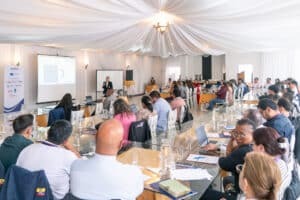 places and, according to statistics published in July 2026, there are 720 adolescents in the country’s CAIs: 231 subject to pre-trial measures and 489 serving socio-educational measures involving deprivation of liberty. This figure represents overcrowding of 51.58 per cent.
In April 2026, the SNAI’s Directorate of Socio-Educational Measures stated before the National Assembly of Ecuador that the recruitment, use and exploitation of children and adolescents constitutes a serious violation of rights and emphasised the need to strengthen institutional coordination, socio-educational measures, reintegration and follow-up, within a juvenile justice system based on a restorative approach.
Against this backdrop, the challenge does not end with an adolescent’s entry into the justice system; it also involves addressing the circumstances surrounding them, such as their family and social environment. The Public Policy on Social Rehabilitation and Comprehensive Care for Young Offenders 2026–2029 aims to complement the punitive response by working towards reintegration wherever possible. Furthermore, it seeks to implement prevention and rehabilitation strategies, whilst expressly highlighting the need to incorporate restorative justice and a victim-centred approach in the care of children and young people affected by recruitment.
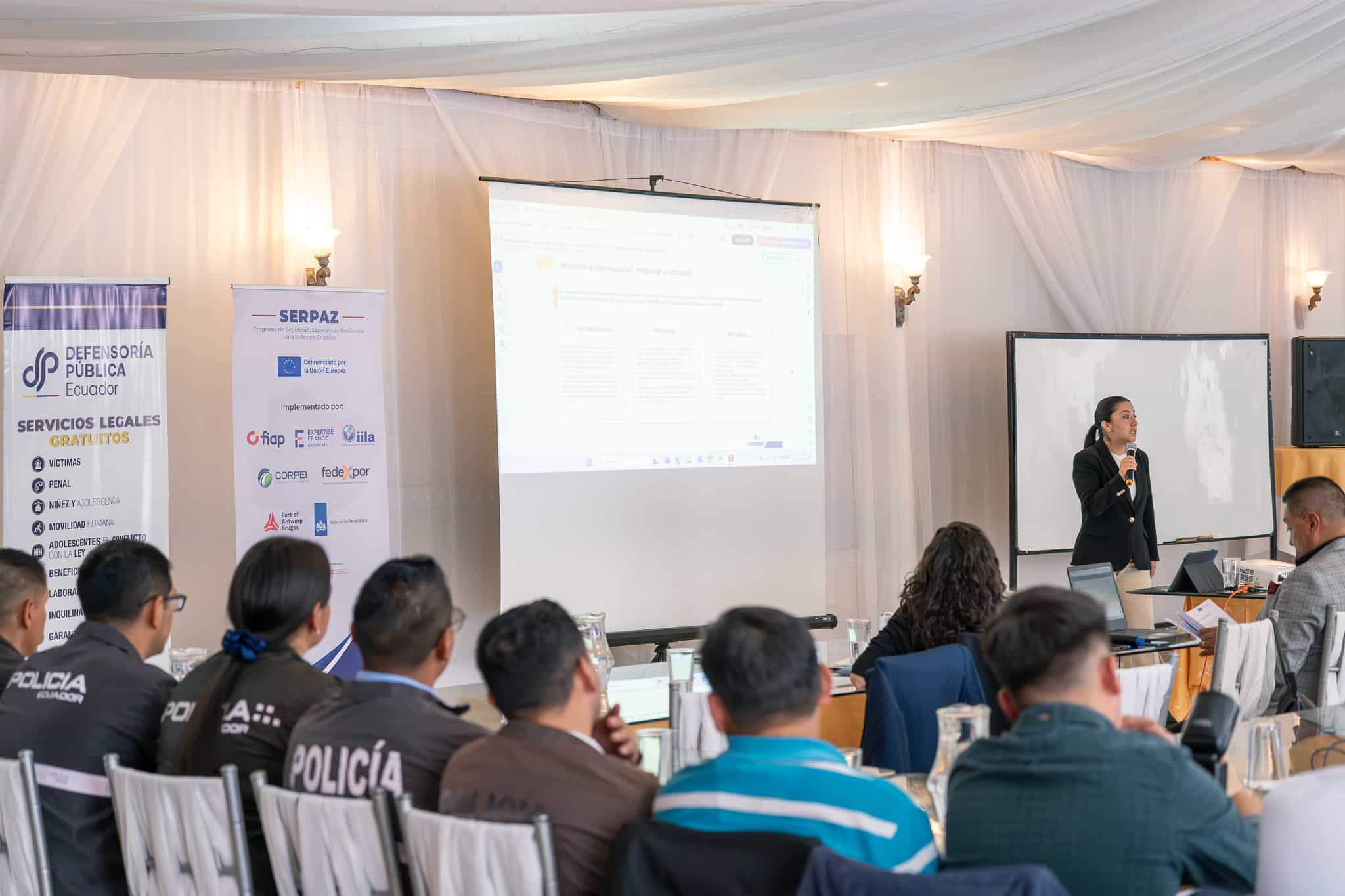
In response to this need, a series of specialised training sessions on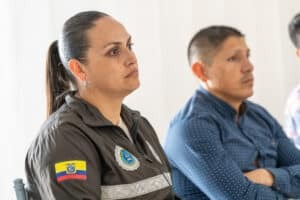 ‘Strengthening the Model of Restorative Justice and Social Reintegration in Ecuador (2026–2029)’ has been organised in the city of Ibarra, aimed at strengthening the technical and interpersonal skills of staff working with adolescents in conflict with the law through restorative tools and psychosocial intervention protocols.
The three-day conference organised by the SERPAZ project addressed topics such as the regulatory framework for restorative justice, human rights, conflict management and support for adolescents, amongst others. The agenda also included an analysis of the recruitment of children and adolescents for criminal purposes, experiences from the CAIs in Ibarra and Ambato, working groups, and national and international case studies.
The training also ties in with a longer-term line of work set out in the Public Policy: the establishment of a Centre for Prison and Socio-Educational Training and Capacity-Building to provide initial, ongoing and specialised training for the system’s staff, incorporating human rights, restorative justice, gender, interculturalism and comprehensive security.
Added to this is the technical and conceptual update of the Comprehensive Restorative Care Model (MAIR), which aims to strengthen treatment, rehabilitation and re-education processes by incorporating areas such as education, vocational training, holistic health, cultural and sporting activities, and restorative justice, as part of the work aimed at reducing reoffending and supporting the development of life plans.
In this way, the European Union and Team Europe, through the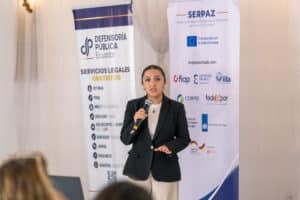 Security, Hope and Resilience for Peace in Ecuador (SERPAZ) programme – co-funded by the European Union and implemented by FIAP, Expertise France, the Italian-Latin American Institute (IILA), CORPEI, FEDEXPOR, the Port of Antwerp-Bruges, the Kingdom of the Netherlands and the German development agency GIZ, will continue to support and promote opportunities for training, the exchange of experiences and inter-institutional coordination that contribute to strengthening technical capacities, protecting human rights and consolidating mechanisms aimed at reparation, social reintegration and peace-building in Ecuador.