
03/07/2026
The Foundation is sharing its strategy for integrating gender equality into all stages of the project cycle with the German development agency.
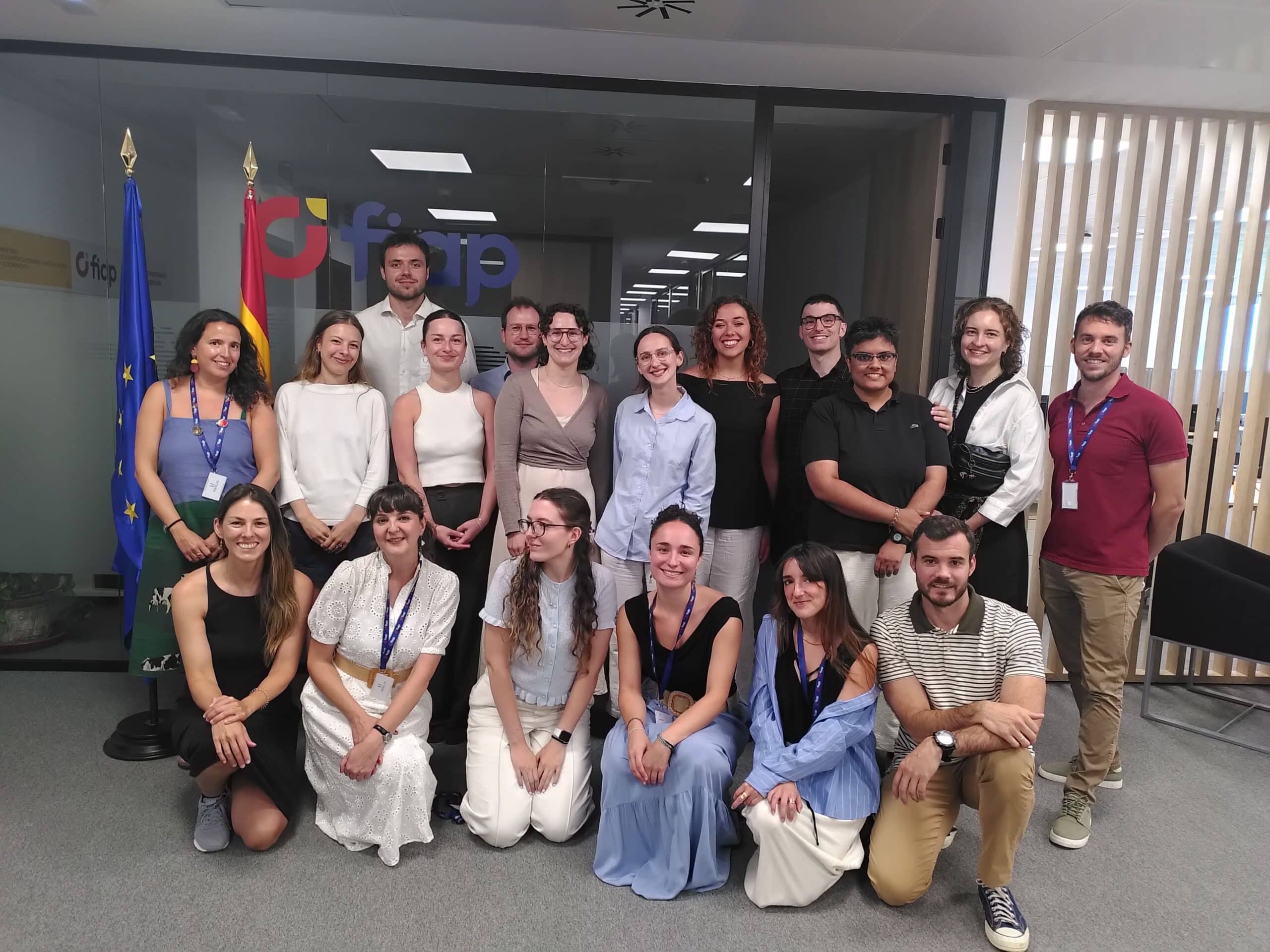
This week, FIAP welcomed a delegation of scholarship holders from the German Agency for International Cooperation (GIZ) who were keen to gain first-hand insight into the Foundation’s experience of mainstreaming a gender perspective across its cooperation projects. The study visit arose following an initial meeting held as part of the Practitioners’ network, the network of European cooperation agencies, during which GIZ’s gender coordinators and focal points learnt about FIAP’s strategy and expressed their interest in gaining a deeper understanding of its methodologies, tools and good practices.
The meeting was organised by Patricia Mate, FIAP’s specialist in gender mainstreaming, who presented the Foundation’s feminist strategy and emphasised that “FIAP is a feminist public actor within the Spanish state; this means that all its cooperation projects are designed and implemented from a feminist perspective”.
This commitment is also reflected in FIAP’s Strategic Plan 2025–2028 and in the work of its Gender Equality Commission, which has spearheaded initiatives such as the Equality Plans, the LGBTI+ Plan, the Code of Ethics and the Protocol for the Prevention of Harassment.
Three FIAP project managers presented various cooperation initiatives to their German counterparts, focusing on how they mainstream the gender perspective.
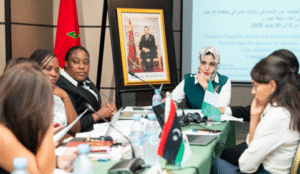
The CT Just project, for instance, promotes the leadership of professional women in the fight against terrorism, broadens understanding of the role women play in this field and encourages the exchange of information and best practice.
Key outcomes of the project include strengthening the role, leadership and visibility of women within security forces and organisations dedicated to counter-terrorism; the development of gender-sensitive training materials for specialised programmes; and the exchange of knowledge and best practice amongst 22 security and justice institutions across 14 countries.
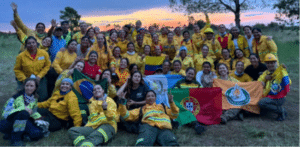
For its part, the Amazonía+ project, which aims to strengthen the capacity of countries in the Amazon basin to adapt to the effects of climate change and reduce deforestation and forest degradation, incorporates a gender perspective across all its activities. To this end, it runs workshops on gender equality, power dynamics and psychological safety, whilst promoting women’s leadership and the inclusion of under-represented groups in a traditionally male-dominated field such as forest fire management.
The project manager illustrated this approach with an experience she had during one of the training sessions. One of the participants, Andrea, explained: ‘This is the first time I’ve held a drip torch – a tool used in forest fire management – in my hands, and it’s for me to use, not to pass on to a colleague.’
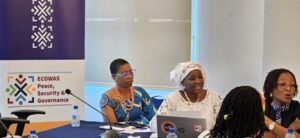
Finally, the project ‘Support for ECOWAS on Peace, Security and Governance’ was presented, which positions women as active agents of peace and security. Its approach recognises their role in conflict prevention, mediation and peace processes, security sector governance, the protection of rights, the strengthening of networks and leadership, and advocacy on public policy.
The project therefore does not view women merely as beneficiaries of cooperation initiatives, but as leaders, mediators, rights-holders and strategic partners in building sustainable peace and security in the region.
This exchange has enabled GIZ representatives to gain first-hand insight into the experiences and methodologies developed by FIAP, with the aim of identifying best practices that can be adapted and replicated in their own cooperation programmes.