


06/11/2026
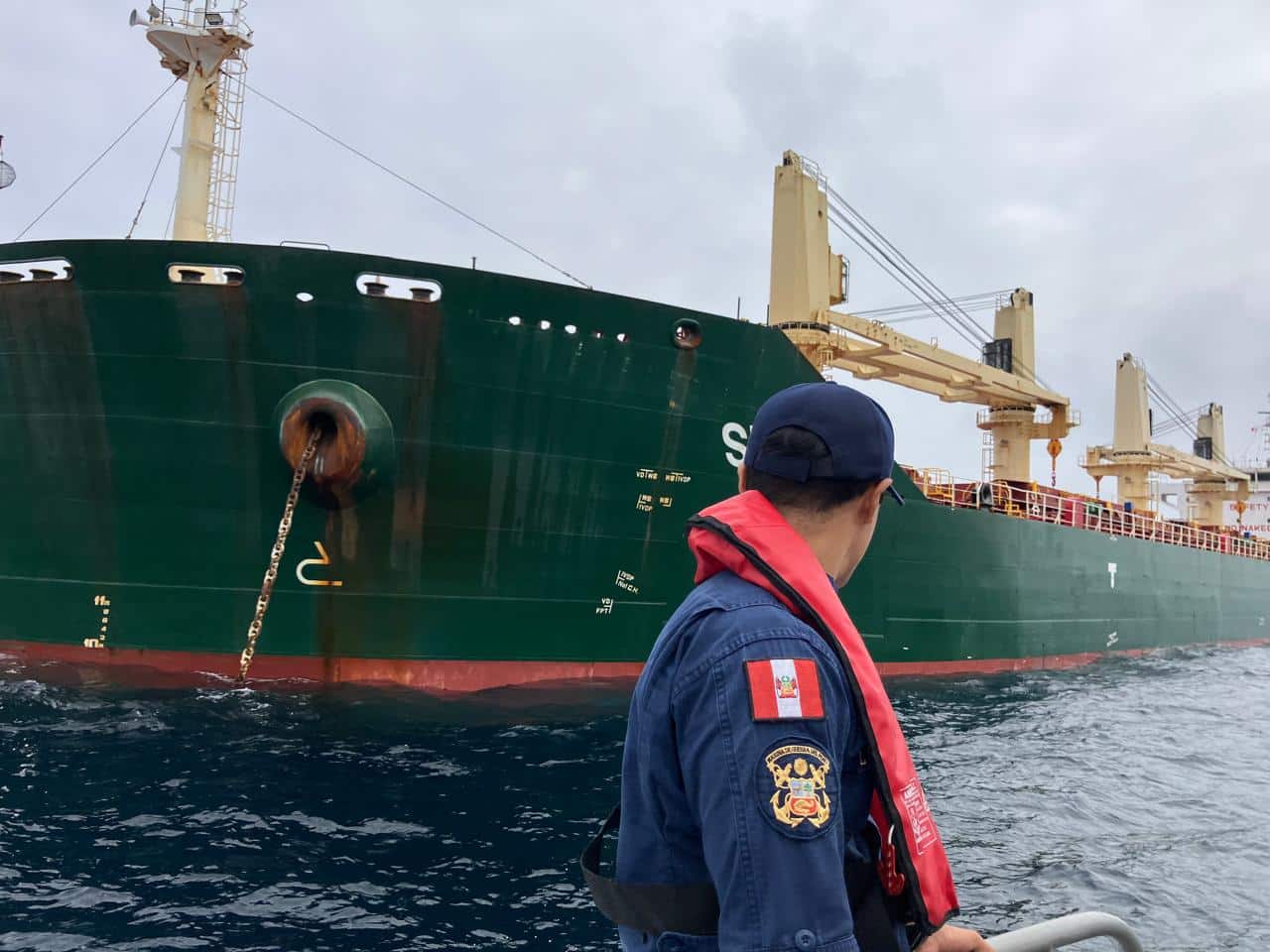
Phase VI has carried out activities in ten Latin American countries to improve the detection and investigation of illicit activities in the port and maritime sectors.
SEACOP (Seaport Cooperation Project) is a project funded by the European Union through FPI (Foreign Policy Instruments). Its main objective is to combat illicit maritime trafficking, particularly drug trafficking. Phase VI of the project began in late 2023 and has been running over the past three years. FIAP’s role in the project has been to implement SEACOP activities in 10 Latin American countries.
With regard to the achievements during this phase of the project, three key areas stand out: strengthening the technical and operational capacities of the institutions involved; fostering political dialogue, which has helped shape working strategies in several countries, including Costa Rica, Argentina and Paraguay; and establishing FIAP as a key actor in the region, as reflected in the numerous requests for technical assistance received under the project.
Examples include the invitation to provide technical support for the establishment of the South American Ports Alliance, led by Peru; the development of a Procedures Manual for operations on Paraguay’s Waterway; delivering part of the international course organised by the Ecuadorian Police Academy, with more than 800 participants; and training staff at the Guayaquil Fusion Centre, established under the EUFORT project.
At the international level, the programme has also helped strengthen information-sharing and operational coordination mechanisms between countries in Latin America, Europe, the Caribbean and West Africa. In particular, the implementation of the GRES strategy has played a key role in enabling secure, structured and timely communication between units. This has facilitated coordinated operational activities and joint operations. This approach has helped build trusted networks, one of the programme’s main assets.
Progress has also been made in strengthening cooperation between different law enforcement and public authorities within individual countries, including customs services, police forces, navies, maritime authorities and other relevant bodies. The creation of joint working spaces and ongoing mentoring support have helped overcome, to some extent, institutional fragmentation.
All these achievements have been made possible by an approach based on trust, sustained support and continuous adaptation to national and regional contexts.